
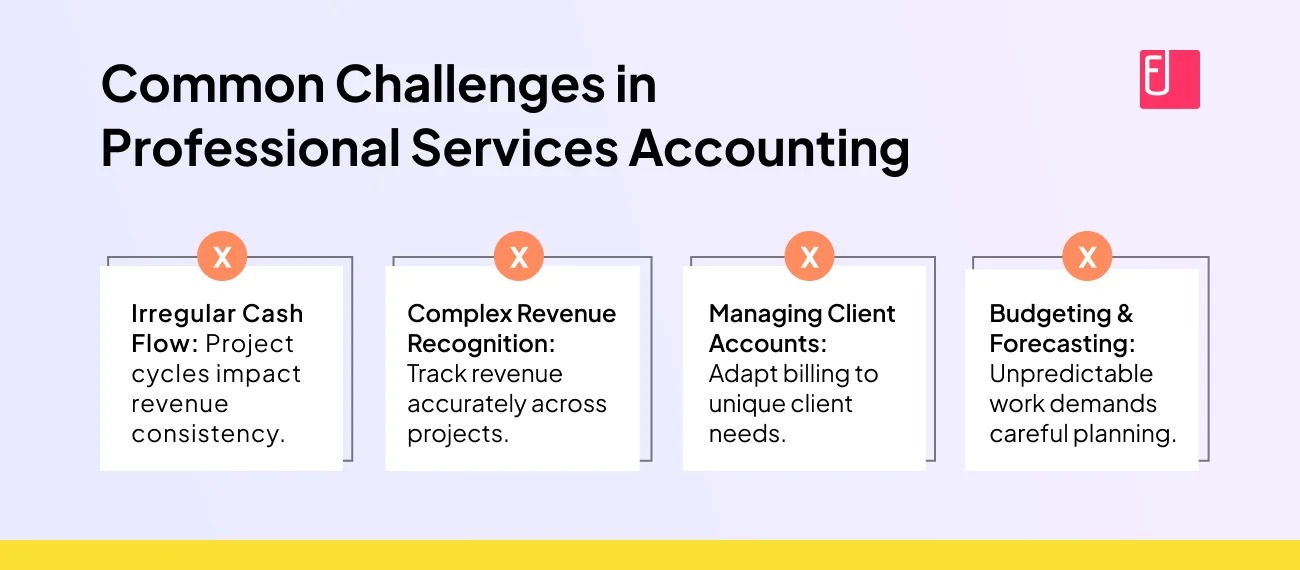
Accounting for professional services firms requires a specialized approach because these businesses do not deal with physical inventory or traditional product sales. Instead, their value comes from time, expertise, and project-based delivery. Effective accounting practices help firms improve profitability, maintain compliance, and gain real-time visibility into performance. This article explores the best practices in accounting for professional services firms and how they can strengthen financial management.
Understanding the Nature of Professional Services Accounting
Professional services firms such as consulting agencies, legal practices, engineering companies, and IT service providers operate on project-based or time-based billing models. Unlike product companies, revenue is earned gradually as services are delivered. This creates complexity in tracking performance, costs, and revenue recognition.
A key challenge is aligning financial reporting with actual work performed. Accounting must capture labor hours, expenses, and project progress accurately to ensure that revenue is recognized when earned, not simply when billed or paid. According to accounting standards such as ASC 606, revenue should be recorded when performance obligations are satisfied, making accurate tracking essential for compliance and financial transparency .
Strong Revenue Recognition Practices
One of the most important aspects of accounting for professional services firms is proper revenue recognition. Firms must ensure that revenue reflects the actual delivery of services over time, especially for long-term contracts.
Best practices include using percentage-of-completion methods for ongoing projects and ensuring that revenue is tied to measurable performance indicators such as time entries or project milestones. This avoids distortions in financial statements and provides a more accurate view of profitability. Many firms struggle when revenue is recognized only at invoicing, which can misrepresent earnings and delay financial insights.
Following structured recognition rules helps firms comply with accounting frameworks like GAAP and IFRS, ensuring transparency and audit readiness while supporting better decision-making.
Effective Work in Progress (WIP) Management
Work in Progress (WIP) is a critical concept in professional services accounting. It represents the value of services that have been delivered but not yet billed or recognized as revenue. Poor WIP management can lead to inaccurate financial reporting and cash flow issues.
Best practices in WIP accounting include tracking time and expenses in real time, reconciling project progress regularly, and maintaining accurate job costing systems. Without reliable WIP data, firms risk underreporting revenue or overestimating profitability, which can negatively affect strategic planning and investor confidence. WIP also plays a key role in identifying unbilled revenue and ensuring that all completed work is properly captured in financial statements .
Project-Based Cost Tracking and Job Costing
Accurate cost tracking is essential for understanding project profitability. Professional services firms must allocate direct labor, subcontractor costs, and overhead expenses to specific projects.
Job costing systems allow firms to see which clients and projects are profitable and which are not. Best practices include categorizing expenses consistently, tracking billable and non-billable hours separately, and reviewing project budgets against actual costs regularly. This level of detail enables firms to adjust pricing strategies, resource allocation, and project scope to maintain healthy margins.
Without structured job costing, firms often struggle with hidden losses, scope creep, and inefficient resource use.
Time Tracking and Resource Utilization
Time is the primary inventory for professional services firms, making accurate time tracking essential. Every billable and non-billable hour affects revenue forecasting and utilization rates.
Best practices include implementing automated time-tracking systems, encouraging daily time entry, and reviewing utilization metrics regularly. High-performing firms set utilization targets for employees to ensure that a healthy percentage of time is billable.
Poor time tracking leads to underbilling, inaccurate revenue recognition, and reduced profitability visibility. Consistent tracking also improves forecasting accuracy and resource planning, allowing firms to allocate staff more effectively across projects.
Cash Flow Management and Billing Efficiency
Cash flow is often a challenge in professional services firms because revenue recognition and cash collection do not always align. Projects may be completed before invoices are issued or payments are received.
Best practices include adopting milestone-based billing, automating invoicing processes, and reducing delays in invoice creation. Firms should also monitor accounts receivable aging closely and follow up on overdue payments promptly.
Efficient billing practices reduce days sales outstanding (DSO) and improve liquidity. Firms that delay invoicing often experience cash shortages despite being profitable on paper, making billing discipline a critical financial control.
Leveraging Technology and Integrated Accounting Systems
Modern professional services firms rely heavily on accounting software and project management tools to streamline operations. Integrated systems help unify time tracking, billing, WIP calculations, and revenue recognition in one platform.
Best practices include adopting cloud-based accounting systems, integrating project management tools with financial systems, and using dashboards for real-time reporting. Automation reduces manual errors, improves accuracy, and allows finance teams to focus on analysis rather than data entry.
Technology also supports compliance with accounting standards by ensuring consistent application of revenue recognition rules and improving audit readiness.
Financial Reporting and Performance Analysis
Accurate financial reporting is essential for strategic decision-making in professional services firms. Key performance indicators such as project margin, utilization rate, and revenue per employee help firms evaluate performance effectively.
Best practices include generating regular project-level reports, reviewing variance between budgeted and actual performance, and analyzing profitability by client or service line. This allows leadership to identify high-performing areas and eliminate unprofitable engagements.
Transparent reporting also improves accountability across teams and helps align operational performance with financial goals.
Internal Controls and Compliance
Strong internal controls ensure the integrity of financial data and reduce the risk of errors or fraud. Professional services firms should implement approval workflows for time entries, expenses, and invoices.
Regular audits of financial data and reconciliation of WIP balances help maintain accuracy. Compliance with standards such as GAAP and IFRS ensures that financial statements are reliable and consistent across reporting periods.
Firms that neglect internal controls often face inaccurate reporting, compliance issues, and reduced stakeholder trust.
Conclusion: Building a Strong Financial Foundation
Best practices in accounting for professional services firms revolve around accuracy, transparency, and efficiency. From revenue recognition and WIP management to time tracking and cash flow control, every process contributes to financial clarity and business success.
Firms that invest in structured accounting systems and disciplined financial processes are better positioned to scale, improve profitability, and make informed decisions. For additional insights and industry-specific support, resources such as https://www.bobsbookkeepers.com/industries/professional-services can provide valuable guidance for optimizing accounting practices in professional services firms.
By adopting these best practices, firms can move beyond basic bookkeeping and build a financial framework that supports sustainable growth and long-term success.