
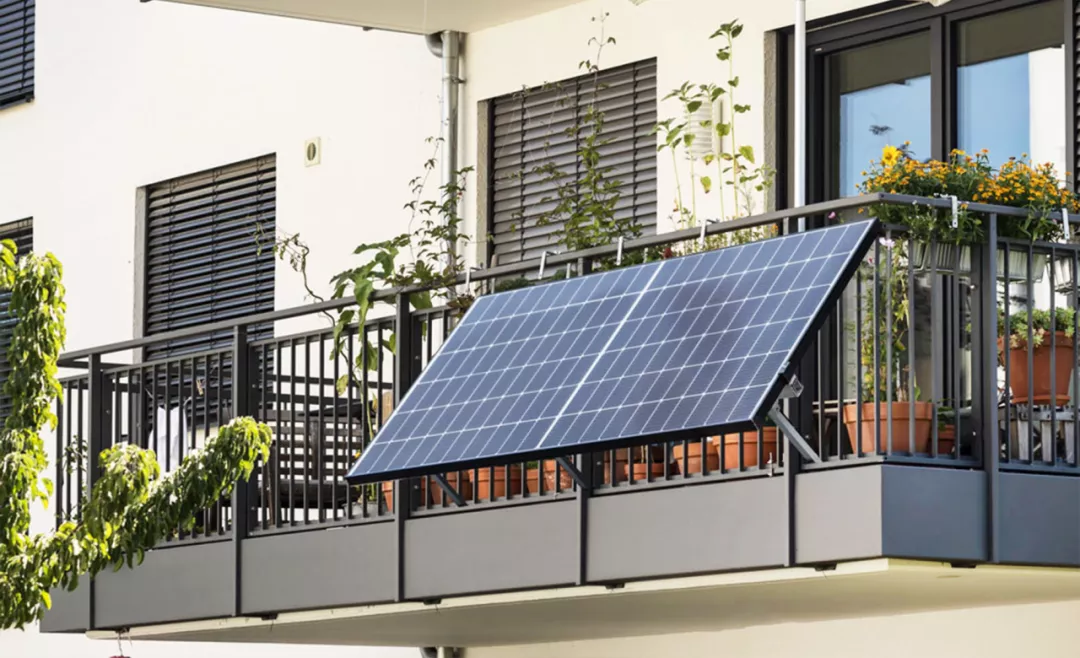
As energy costs continue to rise and more people look for cleaner ways to generate electricity, solar power has become an increasingly practical option. However, not every home has a large rooftop, a private garden, or enough outdoor space for a traditional Balcony Solar Energy System solar installation. This is where a Balcony Solar Energy System offers an accessible and flexible alternative. Designed for apartments, condominiums, and homes with limited space, balcony solar systems can help households generate renewable electricity without requiring a large-scale rooftop installation.
What Is a Balcony Solar Energy System?
A Balcony Solar Energy System is a compact solar power setup designed to be installed on or around a balcony. It typically consists of one or more solar panels, a microinverter, mounting equipment, and electrical connections. Some systems may also include a battery storage unit for storing excess electricity.
Unlike conventional rooftop solar systems, balcony systems are designed for smaller spaces and lower energy requirements. Their compact design makes them particularly suitable for apartment residents who may not own the roof or have permission to install a conventional solar array.
The system captures sunlight through photovoltaic panels and converts it into usable electrical energy. Depending on the system design and local electrical regulations, the generated power can be used to support household appliances and reduce the amount of electricity purchased from the grid.
Ideal for Homes With Limited Space
One of the biggest advantages of a Balcony Solar Energy System is its ability to work in areas where traditional solar installations may not be practical. Many apartment residents want to use renewable energy but have limited access to rooftops.
A balcony provides an alternative location for mounting compact solar panels. The panels can be positioned to receive as much sunlight as possible, allowing residents to make use of otherwise unused space.
This makes balcony solar technology particularly attractive in urban environments. Cities often have large numbers of apartments and buildings where rooftop ownership, structural limitations, or installation permissions can make conventional solar difficult. A balcony system provides a smaller and potentially simpler approach to solar energy generation.
Helps Reduce Electricity Costs
Electricity bills are an important concern for many households. A Balcony Solar Energy System can help reduce grid electricity consumption by generating power during daylight hours.
When solar panels produce electricity, that energy can contribute to the home’s daytime electricity needs. Appliances such as refrigerators, computers, routers, lights, and other household electronics may use electricity during these hours.
The amount of savings depends on several factors, including panel capacity, sunlight availability, electricity consumption, system efficiency, and local utility rules. While a balcony system may not completely replace grid electricity, it can help offset a portion of household energy use.
Easy Integration With Modern Energy Technology
Modern balcony solar systems can incorporate technologies that make solar power more convenient to use. Microinverters, monitoring systems, and battery storage are examples of components that can improve functionality.
Microinverters convert the electricity generated by individual solar panels into usable alternating current. They can also help optimize the performance of panels when sunlight conditions vary.
Some systems include monitoring applications that allow users to track electricity generation. This can help homeowners understand how much energy their system produces throughout the day and identify periods of stronger or weaker solar performance.
Battery storage is another useful option. A battery can store surplus electricity for later use, although whether it is worthwhile depends on the household’s energy needs, system size, local regulations, and electricity pricing structure.
A More Flexible Solar Investment
Traditional solar installations can involve significant planning, installation work, and upfront investment. A balcony system is generally smaller, which can make the overall project more accessible for people who do not need a large solar array.
The smaller scale also allows users to start with a modest system and evaluate its performance before considering additional energy solutions. This flexibility can be useful for renters and apartment residents, provided that the installation complies with building rules and local requirements.
For people who want to participate in renewable energy without immediately committing to a large solar project, a Balcony Solar Energy System can provide a practical starting point.
Supports Cleaner Energy Generation
Solar energy is a renewable source of electricity because it uses sunlight rather than continuously consuming fossil fuels. By generating electricity from sunlight, households can reduce their dependence on electricity produced from conventional energy sources.
Even a small solar installation can contribute to a broader shift toward distributed renewable energy. When many homes generate some of their own electricity, the combined effect can become significant.
Balcony solar systems are particularly interesting for densely populated areas because they allow renewable energy generation to take place across many individual apartments rather than relying only on large solar farms or rooftop installations.
Suitable for Apartments and Urban Living
Urban residents often face unique challenges when adopting renewable energy. High-rise buildings may have limited roof access, shared ownership structures, or insufficient rooftop space for every resident.
A Balcony Solar Energy System addresses some of these challenges by using individual balcony areas. This makes solar energy more accessible to people living in apartments.
However, residents should always check building regulations, landlord requirements, electrical standards, and local laws before installation. Balcony structures must also be suitable for the equipment, and panels should be securely mounted to prevent safety issues.
Factors to Consider Before Installation
Although balcony solar systems offer many benefits, choosing the right setup requires careful planning. Sunlight exposure is one of the most important considerations. A balcony that receives several hours of direct sunlight generally provides better solar generation potential than one that remains shaded for most of the day.
Panel orientation and mounting angle can also influence performance. Nearby buildings, trees, walls, and other structures may create shadows that reduce electricity production.
The system’s electrical capacity should also match the household’s requirements and applicable regulations. Buyers should consider the quality of the panels, inverter, mounting equipment, safety features, warranty, and installation support.
It is also important to purchase equipment from reputable suppliers and have electrical connections installed according to applicable safety standards.
A Practical Step Toward Energy Independence
Complete energy independence is not always realistic for apartment residents, but reducing dependence on the electrical grid can still be valuable. A Balcony Solar Energy System provides an opportunity to generate some electricity directly from sunlight.
This approach can help households become more aware of their energy consumption while encouraging the use of renewable power. When combined with energy-efficient appliances and responsible electricity use, even a compact solar system can contribute to a more efficient home.
The Future of Small-Scale Solar Power
As solar technology becomes more compact, efficient, and accessible, small-scale systems are likely to become increasingly popular. Balcony solar solutions fit well with modern urban lifestyles because they require less space than traditional installations while still allowing residents to participate in renewable energy generation.
Future systems may offer improved panel efficiency, smarter monitoring, better battery technology, and more flexible installation options. These developments could make distributed solar power even more useful for apartment buildings and other space-constrained properties.
Conclusion
A Balcony Solar Energy System is a practical solar solution for people who want to use renewable energy but do not have access to a large rooftop or outdoor installation area. Its compact design, flexible application, and potential to reduce daytime grid electricity consumption make it particularly suitable for apartments and urban homes.
Although the amount of electricity generated depends on factors such as sunlight, panel capacity, orientation, and local conditions, balcony solar technology provides a convenient way to make productive use of limited space. With proper planning, quality equipment, secure installation, and compliance with local requirements, a balcony solar system can become a useful part of a modern home’s energy strategy.
As interest in clean energy continues to grow, small-scale solar solutions such as balcony systems can play an important role in making renewable electricity more accessible to everyday households.