
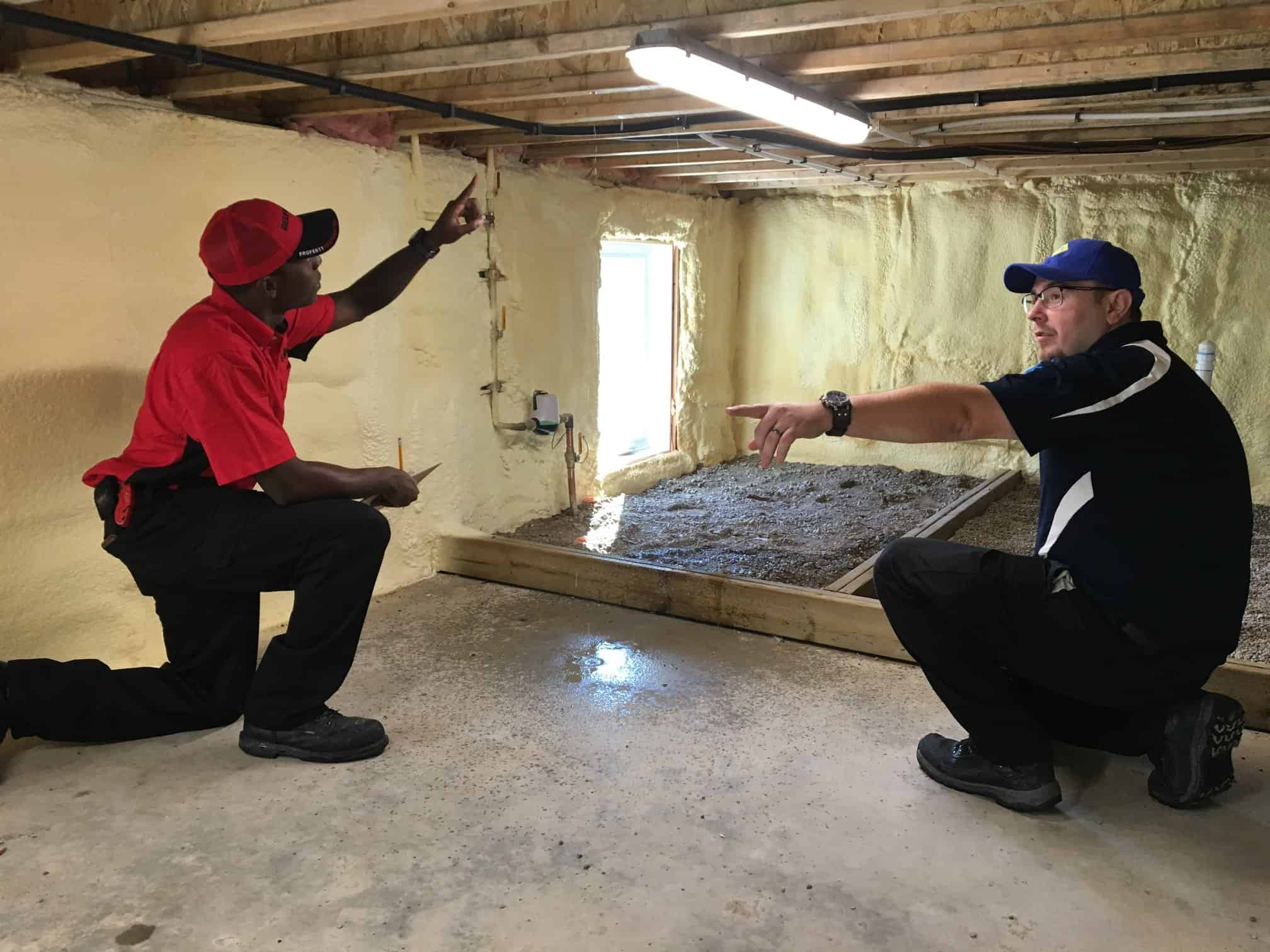
Water damage is one of the most destructive forces a property can face. Whether caused by a burst pipe, heavy rainfall, or flooding, the impact of water on your home or business can be severe. Not only does it compromise the structural integrity of a building, but it also promotes mold growth, damages personal belongings, and can lead to serious health hazards. Understanding how to approach water damage restoration is crucial to minimizing loss and ensuring safety.
Understanding the Extent of Water Damage
The first step in restoring water damage is identifying the source and assessing the extent of the problem. Water damage can occur in various forms: clean water from a broken pipe, gray water from washing machines or dishwashers, and black water from sewage or floodwaters. Each type of water requires different handling due to varying levels of contamination.
It’s essential to determine whether water has affected only the surface or has penetrated deep into floors, walls, and structural elements. Inspecting hidden areas like behind drywall, under carpets, and inside cabinets can reveal the true extent of water intrusion. Professionals often use moisture meters, infrared cameras, and other detection tools to ensure no areas are overlooked.
Ensuring Safety Before Restoration
Before beginning any restoration work, safety must be a priority. Water can create hazards such as slippery surfaces, exposed electrical wiring, and weakened structures. Turn off electricity to affected areas to prevent electrocution. Wear protective gear, including gloves, boots, and masks, especially if dealing with contaminated water.
If water damage is extensive, it may be necessary to evacuate the property temporarily. Structural engineers or restoration specialists can assess whether the building is safe to enter. Attempting repairs in unsafe conditions can worsen damage and put lives at risk.
Water Removal Techniques
Once the area is safe, the next step is removing standing water. Immediate water extraction is critical to prevent further damage. For small amounts, mops and wet-dry vacuums may suffice. Larger floods require industrial-grade pumps and extraction units.
Effective water removal not only prevents additional structural damage but also reduces the risk of mold. Every hour that water sits increases the likelihood of irreversible damage to floors, walls, and furniture. Professionals often combine water extraction with dehumidifiers and air movers to accelerate drying.
Drying and Dehumidification
After water is removed, thorough drying is necessary. Moisture can linger in hidden spaces, such as behind walls, under flooring, and inside insulation. Dehumidifiers and air movers are used to pull moisture from the air and affected materials. This process may take several days, depending on the severity of the water damage and the materials involved.
Proper airflow is essential for effective drying. Opening windows, using fans, and maintaining a consistent indoor temperature all contribute to faster moisture removal. Regular monitoring with moisture meters ensures that drying is complete and prevents mold growth.
Cleaning and Sanitizing
Water damage often leaves behind dirt, debris, and harmful bacteria. Cleaning and sanitizing affected areas is crucial, particularly when gray or black water is involved. Surfaces should be scrubbed with appropriate cleaning agents, and all contaminated materials, such as carpets, insulation, or drywall, may need to be removed and replaced.
Disinfecting helps prevent mold and mildew, which can appear within 24 to 48 hours of water exposure. Specialized cleaning solutions and antimicrobial treatments can ensure the area is safe for inhabitants and ready for reconstruction.
Assessing Structural Damage
Water can weaken the foundation, walls, and roof of a building. A thorough assessment of structural damage is necessary to determine which areas need repair or replacement. This may involve inspecting wooden beams for rot, checking drywall for warping, and ensuring that floors and ceilings are stable.
In some cases, water damage may require professional contractors to rebuild parts of the property. Structural integrity should never be compromised, as neglecting repairs can lead to long-term safety risks and costly future damage.
Mold Remediation
One of the most common consequences of water damage is mold growth. Mold can develop quickly in damp environments and spread rapidly, affecting indoor air quality and posing health risks. If mold is detected, specialized remediation is necessary.
Mold remediation involves removing affected materials, treating surfaces with antifungal solutions, and maintaining a dry environment to prevent regrowth. It’s important to address mold as soon as possible, as prolonged exposure can lead to respiratory problems and other health issues.
Repair and Restoration
Once the property is clean, dry, and structurally sound, the repair and restoration phase begins. This includes replacing damaged drywall, flooring, and insulation, as well as repairing electrical and plumbing systems if necessary. Painting, refinishing, and other cosmetic repairs restore the property to its pre-damage condition.
In many cases, professional restoration companies can coordinate all phases of repair, ensuring that work is done efficiently and correctly. Proper documentation during this stage is also crucial for insurance claims.
Preventive Measures for Future Water Damage
After a successful restoration, it’s wise to implement preventive measures to reduce the risk of future water damage. Regular maintenance of plumbing systems, proper sealing of roofs and windows, and installation of sump pumps or water alarms can significantly decrease vulnerability.
Additionally, keeping gutters clean, ensuring proper drainage, and addressing any signs of leaks promptly can prevent minor issues from turning into major water damage events. Awareness and proactive maintenance are key to protecting your property over the long term.
Working with Professionals
While small incidents of water damage can sometimes be managed independently, large-scale damage or contamination often requires professional intervention. Water damage restoration specialists have the expertise, equipment, and experience to handle emergencies efficiently and safely.
Hiring certified professionals ensures that every step—from water extraction and drying to mold remediation and structural repairs—is conducted according to industry standards. This not only speeds up recovery but also minimizes long-term risks and expenses.
Conclusion
Water damage can be devastating, but a systematic approach to restoration can mitigate its impact. Understanding the types of water, prioritizing safety, and employing effective removal, drying, and cleaning techniques are essential. Addressing structural damage, mold growth, and thorough restoration ensures that your property returns to a safe and functional state.
By taking preventive measures and knowing when to call in professionals, property owners can minimize the financial and health-related consequences of water damage. Swift action and careful restoration are the keys to protecting your investment and maintaining a safe living environment.
Water damage may be unpredictable, but being informed and prepared allows you to respond effectively and restore your property with confidence.