
Introduction
A mud logging cabin is an essential facility used in oil and gas drilling operations to monitor drilling activities, analyze geological samples, and collect important information about underground formations. It provides a dedicated workspace for mud loggers, geologists, and drilling specialists who need to observe drilling conditions SVG Equipment Container and evaluate data throughout the drilling process. By combining specialized equipment, monitoring systems, and a controlled working environment, a mud logging cabin supports informed decisions and efficient drilling operations.
As the oil and gas industry continues to adopt advanced technologies, mud logging cabins have become increasingly sophisticated. Modern units can integrate digital data acquisition systems, geological analysis equipment, communication tools, and environmental controls. Understanding their features, functions, and benefits helps drilling companies select suitable cabins for their operational requirements.
What Is a Mud Logging Cabin?
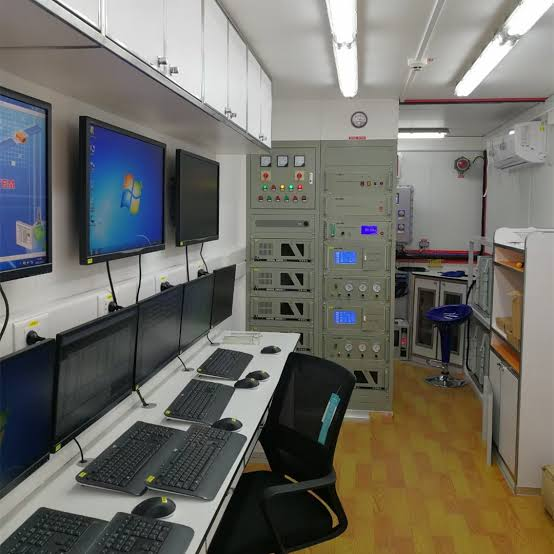
A mud logging cabin is a specially designed mobile or stationary unit installed at a drilling site. It serves as the main workspace for personnel responsible for examining drilling mud, collecting rock cuttings, monitoring gas readings, and recording geological information.
During drilling, drilling fluid circulates through the well to cool the drill bit, carry rock cuttings to the surface, and maintain appropriate pressure conditions. Mud logging personnel examine samples transported by this fluid to identify changes in the formations being drilled.
The cabin houses the equipment needed to collect, display, interpret, and record relevant information. Depending on the project, it may include microscopes, gas detection systems, sample preparation equipment, computer workstations, and real-time monitoring displays.
Unlike an ordinary site office, a mud logging cabin is purpose-built for technical work in demanding drilling environments. Its design focuses on operational reliability, personnel safety, equipment protection, and convenient access to drilling data.
Key Features of a Modern Mud Logging Cabin
1. Advanced Monitoring Equipment
One of the most important features of a mud logging cabin is its monitoring equipment. Sensors installed around the drilling system can measure operational parameters such as drilling depth, rate of penetration, mud flow, and other relevant drilling conditions.
The collected information is transmitted to monitoring systems inside the cabin, where personnel can review changing conditions and identify unusual trends. Reliable data acquisition helps teams maintain accurate records and communicate important observations to drilling supervisors.
2. Geological Sample Analysis Facilities
Geological analysis is another major function of a mud logging cabin. Rock cuttings brought to the surface are examined to determine their physical characteristics, mineral composition, and possible geological significance.
Depending on the project requirements, the cabin may contain microscopes, sample trays, washing equipment, and preparation stations. These facilities allow mud loggers to organize samples and document their observations systematically.
Accurate sample identification contributes to a better understanding of the formations encountered during drilling.
3. Gas Detection and Analysis Systems
Gas monitoring is an important part of many mud logging operations. Specialized instruments measure gas concentrations in drilling returns and provide information that may help geologists interpret underground formations.
The cabin may contain equipment for detecting and analyzing relevant gas components. Measurements are recorded alongside drilling and geological data to support interpretation.
Gas monitoring equipment must be maintained and calibrated according to the manufacturer’s instructions and applicable site procedures. Personnel should also follow established safety protocols when working with potentially hazardous gases.
4. Climate Control and Ventilation
Drilling locations can experience extreme temperatures, dust, humidity, and changing weather conditions. A mud logging cabin therefore requires suitable climate control and ventilation.
Air conditioning and heating systems help maintain a comfortable working environment, while appropriate ventilation supports indoor air quality. Insulation and sealed construction can also help protect sensitive electronic equipment from environmental conditions.
These features are particularly valuable at remote drilling sites where outdoor conditions may be challenging for extended periods.
5. Ergonomic Interior Design
Mud logging personnel may spend long hours examining samples, reviewing charts, and monitoring drilling information. A well-designed cabin should provide organized workstations, suitable lighting, comfortable seating, and sufficient storage.
Computer monitors should be positioned for clear visibility, while instruments and frequently used materials should remain accessible. Proper organization can reduce unnecessary movement and help personnel concentrate on their technical responsibilities.
Benefits of Using a Mud Logging Cabin
Improved Drilling Data Management
A mud logging cabin provides a centralized location for collecting and reviewing drilling information. Instead of relying on disconnected observations, personnel can compare geological samples, gas measurements, and operational parameters in one workspace.
This integrated approach improves recordkeeping and supports communication between mud loggers, geologists, and drilling supervisors.
Better Geological Understanding
The analysis of rock cuttings and drilling data helps specialists identify changes in underground formations. These observations can contribute to geological interpretation and help teams understand the characteristics of the formations encountered.
When combined with other geological information, mud logging data can support decisions concerning further evaluation and drilling plans.
Enhanced Operational Awareness
Continuous monitoring gives drilling teams a clearer picture of changing conditions. Unexpected variations in drilling parameters or gas readings may indicate that further investigation is necessary.
A properly equipped cabin allows personnel to review such changes and report relevant observations promptly. It supports operational awareness but does not replace established well-control procedures or other required safety systems.
Protection of Equipment and Personnel
A purpose-built cabin protects instruments and electronic systems from rain, dust, temperature variations, and other environmental challenges. A controlled indoor workspace also helps personnel perform technical tasks more comfortably.
Suitable electrical systems, fire protection, ventilation, and equipment arrangements are important considerations when designing or selecting a cabin for a particular drilling environment.
Efficient Use of Working Space
Drilling sites often have limited space, especially in remote locations. A compact, well-organized mud logging cabin provides a dedicated technical area without requiring a permanent building.
Mobile designs can also be transported between locations when projects change, subject to transport requirements and site arrangements.
Applications of Mud Logging Cabins
Mud logging cabins are commonly used in several types of drilling operations.
Oil and gas exploration: During exploration drilling, geological samples and gas readings help specialists evaluate the formations encountered and improve their understanding of subsurface conditions.
Development drilling: When drilling additional wells in an established field, mud logging supports the collection and comparison of geological and operational information.
Onshore drilling projects: Mobile cabins are particularly useful at land-based drilling sites where a dedicated technical workspace is required.
Offshore drilling operations: Specially designed units may be used on offshore installations when they meet the applicable space, environmental, electrical, and safety requirements.
Geological research: Certain drilling and subsurface investigation projects use similar monitoring facilities to collect and organize geological data.
The specific cabin configuration depends on the type of well, the drilling environment, the monitoring requirements, and the equipment needed for the project.
Factors to Consider When Choosing a Mud Logging Cabin
Selecting the right mud logging cabin requires careful consideration of technical and operational requirements.
First, evaluate the size and layout of the cabin. It should provide enough space for the required equipment and personnel without creating an overcrowded working environment.
Second, review the monitoring and data acquisition systems. Compatibility with the drilling rig’s sensors, communication infrastructure, and reporting software can simplify integration.
Third, assess environmental protection. Insulation, climate control, suitable ventilation, and weather-resistant construction are important for operations in demanding locations.
Fourth, consider mobility and installation requirements. A cabin intended for frequent relocation may require a different design from a unit that will remain at one drilling site for an extended period.
Finally, examine maintenance needs, electrical safety, fire protection, and compliance with applicable industry standards. Availability of spare parts and technical support can also influence long-term operating costs.
Maintenance and Operational Best Practices
Regular maintenance helps keep a mud logging cabin functional and dependable. Monitoring instruments should be inspected, calibrated, and tested according to their technical specifications and site procedures.
Computers and data acquisition systems should receive appropriate software updates, and important operational records should be backed up through approved systems. Air conditioning, ventilation, lighting, and electrical installations should also be checked routinely.
Personnel should keep sample preparation areas clean, label geological samples correctly, and document observations consistently. Equipment faults, unusual readings, and maintenance activities should be reported through established procedures.
Training is equally important. Operators should understand how to use monitoring equipment, interpret its limitations, follow emergency procedures, and communicate findings clearly to the drilling team.
The Future of Mud Logging Cabins
Technological developments are changing the way mud logging cabins operate. Digital monitoring platforms can combine information from multiple sensors and present it through integrated dashboards. Improved connectivity can also support faster data sharing between the drilling site and remote technical teams.
Automation may reduce repetitive data-handling tasks, while advanced analytical software can help specialists identify patterns that deserve further investigation. However, reliable sensors, accurate records, trained personnel, and professional judgment remain essential.
Future cabins are likely to emphasize energy efficiency, improved connectivity, modular construction, and easier integration with modern drilling systems.
Conclusion
A mud logging cabin is a vital part of many modern drilling operations, providing a dedicated environment for geological analysis, gas monitoring, and drilling data management. Its specialized equipment helps personnel collect meaningful information, recognize changes in drilling conditions, and communicate findings to the wider team.
From climate control and ergonomic workstations to advanced monitoring systems and geological analysis facilities, every feature contributes to the cabin’s overall usefulness. By choosing a suitable design, maintaining equipment properly, and following established safety procedures, drilling companies can support more organized and informed operations.
As digital technologies continue to advance, the mud logging cabin will remain an important link between subsurface geological information and practical drilling decisions.