
Finding the right support for a teenage girl who is struggling with emotional, behavioral, academic, or mental health challenges can be overwhelming for parents. Many families reach a point where traditional therapy, school support, or outpatient services may not provide residential programs for girls enough structure and guidance. In these situations, residential programs for girls can offer a safe, supportive, and therapeutic environment designed to help young women develop healthier coping skills and achieve long-term growth.
Residential programs provide a structured setting where girls can receive professional care while living away from their usual environment. These programs focus on addressing individual challenges while promoting confidence, independence, and emotional well-being. Understanding how these programs work can help parents make informed decisions about the best option for their daughter.
Understanding Residential Programs for Girls
Residential programs for girls are specialized treatment settings where teenage girls live on-site while receiving therapeutic, educational, and emotional support. Unlike short-term counseling sessions, these programs provide continuous care throughout the day, allowing professionals to address challenges more deeply.
These programs are designed for girls who may be experiencing difficulties such as anxiety, depression, trauma, behavioral concerns, academic struggles, low self-esteem, or challenges managing emotions. The goal is not only to address immediate concerns but also to teach valuable life skills that help girls succeed after completing the program.
A residential environment allows young women to step away from stressful situations and focus on personal development. With the guidance of trained counselors, therapists, educators, and support staff, girls can work toward positive changes in a structured and encouraging setting.
Why Parents Consider Residential Treatment Options
Parents often explore residential care when they notice that their daughter’s struggles are affecting daily life, relationships, education, or overall happiness. While every situation is unique, some common reasons families consider residential programs include ongoing emotional challenges, difficulty managing behavior, or the need for a more intensive level of support.
Traditional outpatient therapy can be helpful, but some girls require a more immersive approach. A residential program provides consistent supervision and access to professional support, making it easier to create lasting progress.
These programs also help families rebuild communication and trust. Many residential programs include family therapy sessions where parents and daughters can learn healthier ways to understand each other and strengthen their relationship.
Types of Support Offered in Residential Programs
Every program has its own approach, but most residential programs for girls provide a combination of therapeutic, educational, and personal development services. These services are designed to support the whole person rather than focusing only on specific problems.
Mental Health Counseling and Therapy
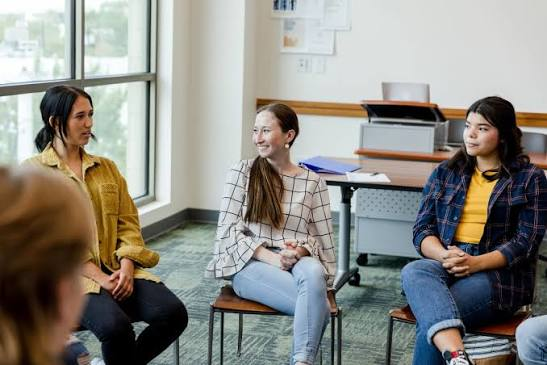
Therapy is a central part of residential care. Girls often participate in individual counseling, group therapy, and family sessions. These therapeutic approaches help them understand their emotions, identify unhealthy patterns, and develop effective coping strategies.
Professional therapists may use evidence-based methods to help girls manage stress, improve emotional regulation, and build confidence. Group therapy also allows participants to connect with peers who may be experiencing similar challenges.
Academic Support and Education
Many residential programs include educational services to ensure that girls continue progressing academically. Qualified teachers and academic specialists help students maintain their studies while receiving treatment.
A supportive learning environment can help girls regain motivation, improve study habits, and rebuild confidence in their academic abilities. Education becomes part of the recovery process rather than an additional source of pressure.
Life Skills Development
An important goal of residential care is preparing girls for future success. Programs often teach practical skills such as communication, problem-solving, time management, decision-making, and independence.
These skills help young women handle challenges more effectively when they return home, continue their education, or enter new stages of life.
How Residential Programs Create a Supportive Environment
A positive environment plays an important role in a girl’s growth and recovery. Residential programs provide daily routines, clear expectations, and consistent guidance that help create stability.
Many girls benefit from having a predictable schedule that includes therapy, education, recreational activities, and personal time. Structure can reduce stress and help participants develop healthier habits.
Staff members work closely with students to create a community based on respect, encouragement, and accountability. This supportive atmosphere allows girls to practice new skills and gain confidence.
Choosing the Right Residential Program for Your Daughter
Selecting the right program is one of the most important decisions parents will make. Not every residential program is the same, so families should carefully evaluate available options before making a commitment.
Parents should consider factors such as the program’s treatment approach, qualifications of staff members, educational opportunities, location, family involvement, and overall philosophy.
It is also important to understand whether the program specializes in addressing the specific challenges a daughter is facing. A program that provides personalized care is more likely to meet her unique needs.
Parents should ask questions about daily routines, therapy methods, communication policies, and how progress is measured. Visiting the facility, speaking with staff, and reviewing program details can help families feel more confident in their decision.
The Role of Parents During Residential Treatment
Although a daughter may live away from home during treatment, parents remain an important part of the process. Family involvement often plays a key role in successful outcomes.
Many residential programs encourage parents to participate in therapy sessions, educational meetings, and progress updates. These opportunities help families understand their daughter’s experiences and learn ways to provide continued support.
Parents can also use this time to reflect on family communication patterns and develop healthier approaches for the future. Recovery is often most successful when both the young person and family work together.
Preparing Your Daughter for a Residential Program
Starting a residential program can bring many emotions for both parents and daughters. Preparation can make the transition easier.
Parents should have honest conversations with their daughter about why the program is being considered and what she can expect. Helping her understand that the goal is growth and support can reduce fear or uncertainty.
Packing familiar items, learning program rules, and maintaining regular communication can also help create a smoother adjustment. Over time, many girls begin to appreciate the structure and support provided by their new environment.
Long-Term Benefits of Residential Support
The benefits of residential care often extend beyond the time spent in the program. Girls can leave with improved emotional awareness, stronger coping skills, better communication abilities, and greater confidence.
A successful residential experience can help young women build healthier relationships, make better decisions, and handle future challenges more effectively.
For families searching for meaningful support, residential programs for girls can provide a valuable opportunity for healing, growth, and personal development. With the right program and family involvement, girls can gain the tools they need to move forward with confidence.
Final Thoughts
Choosing a residential program is a major decision, but it can be a positive step for families seeking specialized support. These programs provide a combination of therapy, education, structure, and life skills that help girls overcome challenges and develop a stronger sense of self.
By researching options carefully and choosing a program that matches their daughter’s needs, parents can provide the foundation for lasting improvement and a healthier future.