
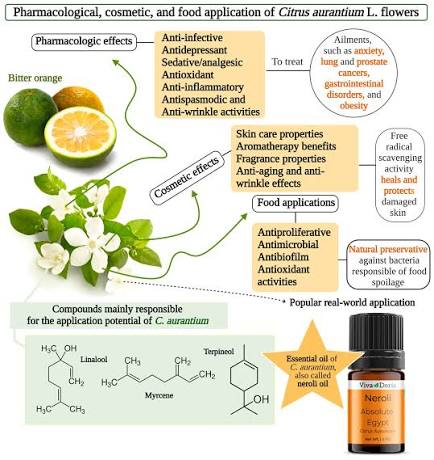
Organic Citrus Aurantium Amara Extract is a botanical ingredient derived from the bitter orange tree, scientifically known as Citrus aurantium. This plant has a long history of use in traditional herbal practices and continues to attract interest as an ingredient for wellness Organic Citrus Aurantium Amara Extract products, personal care formulas, and botanical preparations. Its distinctive plant compounds and citrus-derived profile make it an interesting option for manufacturers and consumers looking for naturally sourced ingredients.
Today, the demand for botanical extracts is growing as people increasingly pay attention to ingredient origins, production methods, and naturally derived formulations. Organic Citrus Aurantium Amara Extract fits into this trend by combining a recognizable botanical source with organic cultivation and extraction practices.
What Is Citrus Aurantium Amara?
Citrus aurantium is commonly associated with bitter orange, a citrus species cultivated in different warm and subtropical regions. The tree produces fragrant flowers and characteristic citrus fruits. Various parts of the plant, including the fruit, peel, flowers, and leaves, have traditionally been used in botanical preparations.
The word “amara” refers to the bitter characteristics associated with the plant. Unlike sweet oranges commonly consumed as fruit, bitter orange has a distinctive aromatic and bitter botanical profile.
An extract is produced by processing selected plant material to concentrate certain naturally occurring constituents. Depending on the raw material and extraction technique, the resulting extract can have different characteristics and applications.
Understanding the Organic Difference
The term “organic” generally refers to agricultural production methods designed to limit the use of certain synthetic inputs and follow recognized organic standards. For manufacturers, sourcing organically produced botanical materials can be an important part of developing products with specific formulation requirements.
Organic Citrus Aurantium Amara Extract may therefore appeal to brands that emphasize plant-based sourcing and responsible ingredient selection. However, organic certification requirements can vary by country and certification organization, so manufacturers should verify the documentation and certification status of a particular ingredient before making claims about it.
Traceability is another important consideration. Reliable suppliers should be able to provide information about the botanical source, processing methods, batch details, and relevant quality documentation.
Natural Botanical Characteristics
One of the most notable characteristics of bitter orange is its naturally complex botanical composition. Different parts of the plant contain various compounds, including flavonoids and aromatic constituents.
The exact composition of an extract depends on several factors, such as:
- Which part of the plant is used
- Geographic growing conditions
- Harvesting practices
- Drying and storage methods
- Extraction technology
- Standardization requirements
Because of these variables, two extracts carrying similar names may not have identical specifications. This makes standardized testing and supplier documentation particularly important for commercial applications.
Applications in Personal Care Products
Botanical extracts are widely used in modern cosmetic and personal care formulations. Citrus-derived ingredients can contribute botanical appeal and may be incorporated into products designed around naturally sourced ingredients.
Organic Citrus Aurantium Amara Extract can be considered for formulations such as creams, lotions, cleansers, botanical blends, and other personal care products, depending on the specifications of the raw material and the intended application.
Its association with citrus botanicals can also support product concepts focused on fresh, plant-based, and nature-inspired formulations. Cosmetic formulators should always evaluate compatibility, stability, concentration, and applicable regulations before incorporating an extract into a finished product.
Use in Botanical and Wellness Formulations
The traditional use of bitter orange has contributed to continued interest in the plant within the broader botanical ingredient market. Modern manufacturers may use Citrus aurantium-derived ingredients in dietary and wellness formulations where legally permitted and where the ingredient meets the relevant quality requirements.
However, botanical ingredients should not automatically be considered safe or effective simply because they are natural or traditionally used. The properties of an extract depend on its composition and concentration, and regulatory requirements differ depending on the intended use and market.
For this reason, product developers should distinguish between traditional use, laboratory findings, and clinically established effects.
Why Quality Control Matters
Quality control is essential when working with concentrated botanical extracts. Plant materials can vary naturally, and contamination or improper processing can affect the quality of the final ingredient.
A professional quality-control process may include identity testing, purity analysis, microbiological testing, and checks for contaminants. Depending on the product and market, additional testing may also be appropriate.
Manufacturers should consider suppliers that can provide documentation such as:
- Certificate of Analysis
- Botanical identification
- Country or region of origin
- Organic certification documentation
- Batch information
- Microbiological specifications
- Heavy-metal testing where appropriate
- Allergen and contaminant information
These records help manufacturers maintain consistency between production batches and support responsible sourcing.
Choosing the Right Extract
Not every Citrus Aurantium Amara Extract is identical. Before purchasing an ingredient, manufacturers should define the characteristics required for their formulation.
Important specifications may include the plant part used, extraction method, concentration, carrier materials, appearance, solubility, and active-compound profile.
The intended application also matters. An extract designed for cosmetic formulation may have different specifications from one intended for another type of product. Clear communication between the manufacturer and supplier can help ensure that the selected ingredient is suitable for its intended purpose.
Storage and Handling Considerations
Proper storage can help maintain the quality of botanical extracts. Depending on the specific product, factors such as moisture, heat, oxygen, and light may influence stability.
Manufacturers should follow the supplier’s recommended storage conditions and keep containers properly sealed. Good inventory management is also important, particularly for ingredients purchased in larger quantities.
Before use, formulators should review the supplier’s technical documentation for specific handling requirements.
Responsible Use of Botanical Ingredients
Interest in natural ingredients has created opportunities for innovative products, but responsible formulation remains essential. Organic Citrus Aurantium Amara Extract should be evaluated according to its intended use rather than being promoted through unsupported health or performance claims.
For consumer products, manufacturers should follow applicable labeling and advertising regulations. Claims should be supported by appropriate evidence, and the product should be formulated according to relevant safety standards.
This approach allows brands to highlight botanical sourcing while maintaining transparency with consumers.
The Future of Organic Citrus Botanical Extracts
The botanical ingredient industry continues to evolve as manufacturers explore plant-based alternatives and consumers become more interested in ingredient transparency. Organic Citrus Aurantium Amara Extract represents one example of how traditional botanicals can remain relevant in modern product development.
Advances in extraction, analytical testing, traceability, and sustainable agriculture may further improve the consistency and usability of botanical ingredients. At the same time, responsible sourcing and accurate communication will remain important for companies working with plant-based materials.
Conclusion
Organic Citrus Aurantium Amara Extract is a versatile botanical ingredient derived from the bitter orange plant. Its citrus origin, traditional background, and potential applications make it relevant to manufacturers developing modern botanical, cosmetic, and wellness products.
The key to using this ingredient effectively is selecting a well-characterized extract from a reliable source. Organic certification, botanical identity, extraction method, quality testing, and proper storage should all be considered before incorporating the ingredient into a finished formulation.
As interest in naturally sourced ingredients continues to grow, carefully produced botanical extracts such as Organic Citrus Aurantium Amara Extract can provide manufacturers with another option for creating transparent, plant-focused products while maintaining appropriate quality and regulatory standards.