
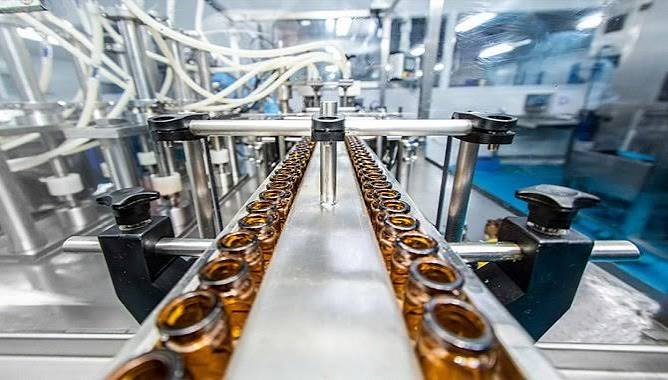
The beauty and cosmetics industry is constantly evolving, and packaging has become just as important as the product itself. Consumers expect attractive, secure, hygienic, and Cosmetic Packaging Machine convenient packaging that reflects the quality of the cosmetics inside. To meet these demands, manufacturers are increasingly turning to advanced automation. A Cosmetic Packaging Machine provides an efficient solution by combining speed, accuracy, consistency, and smart technology to transform modern beauty product packaging.
The Growing Importance of Automated Cosmetic Packaging
Cosmetic products come in many forms, including creams, lotions, serums, powders, perfumes, shampoos, and makeup products. Each product requires specific packaging processes to maintain quality and presentation. Traditional manual packaging can be time-consuming and may lead to inconsistent filling, labeling, sealing, or product placement.
Automation helps manufacturers overcome these challenges. A Cosmetic Packaging Machine can perform multiple packaging tasks with high precision while reducing dependence on manual labor. This allows companies to increase production capacity while maintaining consistent packaging standards.
As competition in the beauty market grows, automation also enables manufacturers to respond quickly to changing consumer preferences. New packaging designs, product sizes, and promotional editions can be introduced more efficiently when production systems are flexible.
How Smart Automation Improves Packaging Efficiency
Smart automation is one of the most important developments in modern cosmetic manufacturing. Advanced packaging equipment can integrate sensors, programmable controls, automatic feeding systems, and monitoring technologies to improve production performance.
A Cosmetic Packaging Machine can automatically control processes such as product filling, container positioning, capping, sealing, labeling, and packaging. These coordinated operations reduce unnecessary handling and help maintain a smooth production flow.
Modern machines can also detect packaging problems during production. Sensors and inspection systems may identify incorrectly positioned containers, missing components, or packaging defects. Detecting these issues early helps reduce waste and prevents defective products from reaching customers.
Precision and Consistency in Cosmetic Packaging
Precision is essential in the cosmetics industry. Customers expect every bottle, tube, jar, or container to contain the correct amount of product and look consistent on store shelves.
Manual packaging processes may experience variations because of human error or fatigue. Automated systems are designed to deliver repeatable results throughout long production runs. A Cosmetic Packaging Machine can provide accurate filling and consistent sealing, helping manufacturers maintain uniform product quality.
Consistency is particularly important for premium beauty brands. High-quality packaging creates a professional appearance and can strengthen consumer confidence in the brand. Automated technology supports this consistency by controlling packaging processes according to predefined production parameters.
Improving Hygiene and Product Safety
Hygiene is another major consideration in cosmetic manufacturing. Beauty products may come into direct contact with the skin, hair, or face, making clean packaging processes extremely important.
Automated packaging systems can reduce unnecessary human contact with products and containers. This can help create a more controlled packaging environment. Depending on the machine design, automated filling and sealing processes can also reduce the risk of contamination associated with excessive manual handling.
Manufacturers can select equipment designed for their specific production requirements, including systems that support easy cleaning and maintenance. Better hygiene control can contribute to product safety and help companies meet applicable quality standards.
Flexible Packaging for Different Beauty Products
The cosmetics industry requires packaging flexibility because brands offer products in many shapes, sizes, and formulations. A packaging solution that works for a large bottle may not be suitable for a small cosmetic container.
Modern automated equipment can often be configured for different container formats and production requirements. This flexibility allows manufacturers to handle product variations without completely changing their production infrastructure.
For businesses producing multiple cosmetic products, flexible machinery can be especially valuable. It can support different packaging formats and help manufacturers manage product launches, seasonal collections, and customized packaging requirements more efficiently.
Reducing Production Costs
Although investing in automation requires an initial financial commitment, automated packaging can help reduce operational costs over time. Faster production speeds allow manufacturers to produce more units within a given period, while reduced manual intervention can lower labor requirements for repetitive packaging tasks.
Automation can also reduce material waste by improving filling accuracy and minimizing packaging errors. When fewer products require rework or replacement, production resources can be used more effectively.
For growing cosmetic businesses, these efficiency improvements can contribute to better productivity and stronger long-term competitiveness.
Supporting Sustainable Cosmetic Packaging
Sustainability has become an increasingly important consideration for beauty brands and consumers. Companies are exploring recyclable materials, lightweight containers, refillable packaging, and environmentally responsible production methods.
A modern Cosmetic Packaging Machine can support these initiatives by providing accurate material handling and reducing unnecessary packaging waste. Precise filling and controlled packaging processes can help manufacturers use materials more efficiently.
Automation can also support the production of innovative packaging formats. As cosmetic brands move toward more sustainable solutions, flexible machinery can help them adapt their manufacturing processes to new container designs and materials.
The Role of Digital Controls and Smart Technology
Smart technology is transforming packaging machinery from simple mechanical equipment into connected production systems. Digital control panels can allow operators to monitor production settings, adjust parameters, and identify machine issues more efficiently.
Some advanced systems can collect production information that helps manufacturers understand machine performance and identify opportunities for improvement. Predictive maintenance technologies may also help detect potential equipment problems before they cause significant downtime.
These capabilities make smart automation valuable not only for production speed but also for operational management. Manufacturers can use data and digital controls to improve efficiency, reduce interruptions, and maintain better control over their packaging operations.
Choosing the Right Cosmetic Packaging Machine
Selecting suitable packaging equipment depends on several factors. Manufacturers should consider the type of cosmetic product, container design, production volume, packaging materials, required speed, and available production space.
It is also important to consider machine reliability, ease of operation, maintenance requirements, and future scalability. A system that can accommodate product variations and production growth may provide greater long-term value.
Businesses should evaluate equipment based on their specific manufacturing needs rather than focusing only on speed. A well-designed packaging solution should provide a balance between productivity, precision, quality, flexibility, and operational efficiency.
The Future of Cosmetic Packaging Automation
The future of beauty product packaging is likely to involve even greater integration of robotics, artificial intelligence, sensors, machine vision, and data-driven production systems. These technologies can make packaging lines more intelligent, adaptable, and efficient.
As consumers continue to demand attractive and sustainable cosmetic products, manufacturers will need packaging systems capable of responding quickly to market changes. Smart automation can provide the flexibility and precision needed to support this evolution.
The Cosmetic Packaging Machine is becoming an essential part of this transformation. By automating repetitive processes, improving accuracy, supporting hygiene, reducing waste, and increasing productivity, it enables beauty manufacturers to compete effectively in a rapidly changing industry.
Conclusion
Smart automation is reshaping how cosmetic products are packaged, helping manufacturers achieve higher productivity while maintaining quality and consistency. A Cosmetic Packaging Machine can streamline important packaging operations, reduce manual errors, improve hygiene, support flexible production, and contribute to cost-effective manufacturing.
As technology continues to advance, automated packaging systems will become increasingly sophisticated. Beauty companies that adopt reliable and flexible automation can improve their production capabilities while meeting changing consumer expectations. Ultimately, smart cosmetic packaging technology represents an important step toward faster, cleaner, more precise, and more sustainable beauty product manufacturing.