
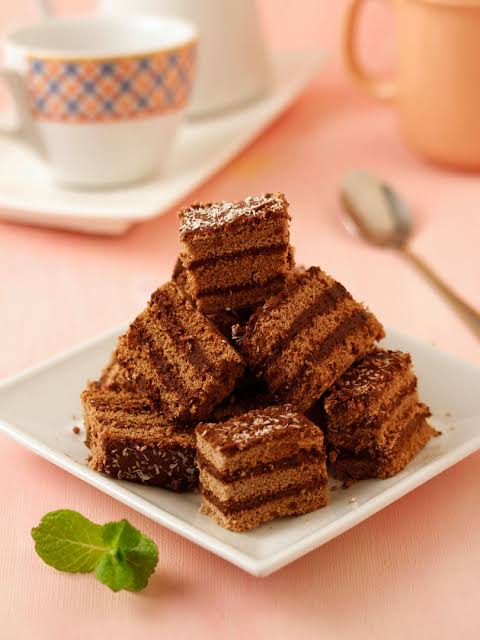
European baking has a rich history filled with traditional recipes, distinctive flavors, and techniques passed down through generations. From delicate French pastries to rustic Italian breads and soft Lithuanian sponge cakes, European desserts celebrate the beauty of simple ingredients transformed through skill and patience. Whether you are a beginner or an experienced home baker, learning these techniques can help you prepare delicious treats with confidence. This step-by-step European baking masterclass explores essential ingredients, baking methods, and practical tips to help you achieve excellent results in your own kitchen.
Understanding the Basics of European Baking
Before attempting complicated recipes, it is important to understand the ingredients that form the foundation of European baking. Flour provides structure, eggs contribute stability and richness, sugar adds sweetness and supports browning, and butter creates tenderness and flavor in many baked goods.
The proportions of these ingredients influence the final texture. A sponge cake requires a light mixture that retains air, while a traditional pastry dough may need cold butter to develop a crisp, flaky structure. Understanding these differences allows you to choose the correct method for each recipe.
Accurate measurements are equally important. Professional bakers often weigh ingredients using a digital kitchen scale because small differences in quantity can affect the outcome. Reading the complete recipe before starting also helps you understand preparation times, baking temperatures, and cooling requirements.
Step One: Prepare Your Ingredients and Equipment
Successful baking begins with proper preparation. Gather all your ingredients, measure them carefully, and arrange them within easy reach before mixing anything.
Essential tools include mixing bowls, a whisk, a flexible spatula, measuring scales, baking tins, parchment paper, and a reliable oven thermometer. A hand mixer or stand mixer can also make tasks such as whipping eggs and creaming butter easier.
Check the recipe to determine whether ingredients should be cold, softened, or at room temperature. For example, softened butter is generally useful for creaming methods, whereas cold butter is important for many flaky pastries.
Preheat the oven to the specified temperature and prepare the baking tin as instructed. These small steps reduce interruptions and help the mixture move smoothly from preparation to baking.
European baking often rewards careful organization. When everything is ready beforehand, you can concentrate on technique and avoid common mistakes.
Step Two: Master the Traditional Sponge Cake
Sponge cake is one of the most useful recipes to learn because it introduces fundamental skills such as whisking, folding, and temperature control. It also provides a foundation for layered cakes, celebration desserts, and fruit-filled pastries.
The Lithuanian sponge cake known as biskvitas is an excellent example of how a few basic ingredients can produce a light and versatile dessert. Depending on the recipe, it may be prepared using eggs, sugar, and flour, with additional ingredients included in certain variations.
Begin by preparing the eggs according to your chosen recipe. Whisking whole eggs with sugar until the mixture becomes pale, thick, and voluminous incorporates air that helps the cake rise. Some recipes use separated eggs, requiring the whites to be whipped independently.
Sift the flour to remove lumps and distribute it evenly. Add it gradually, folding gently with a spatula. Avoid vigorous stirring because excessive mixing can remove the air that gives the sponge its characteristic softness.
Transfer the batter into a prepared baking tin and place it in the preheated oven. Avoid opening the oven door too early, as a sudden temperature change can interfere with the cake’s structure.
Once baked, allow the cake to cool according to the recipe. A well-prepared biskvitas should have a tender crumb and enough structure to support cream, fruit, or other fillings.
Step Three: Explore French Pastry Techniques
French pastry is famous for its delicate textures, elegant presentation, and precise preparation methods. Learning a few classic techniques will expand your baking skills and introduce you to an important part of European culinary tradition.
Shortcrust pastry is a suitable starting point. Combine flour with cold butter until the mixture resembles coarse crumbs. Add the required liquid and mix only until the dough comes together. Overworking the dough can develop too much gluten, resulting in a tougher pastry.
Wrap the dough and refrigerate it before rolling. Chilling helps the butter remain firm and makes the dough easier to handle. Once rolled, transfer it to a tart tin and trim the edges neatly.
Depending on the recipe, the pastry may need to be baked briefly before the filling is added. This process helps prevent a soggy base.
More advanced bakers can explore choux pastry, which forms the foundation of éclairs and profiteroles. The dough is prepared by heating liquid, butter, and flour before incorporating eggs. During baking, steam helps the pastries expand and create hollow centers.
Step Four: Discover Italian Baking Traditions
Italian baking combines regional ingredients, comforting flavors, and methods designed to highlight quality rather than unnecessary complexity.
Biscotti are an excellent recipe for beginners. Prepare a dough containing flour, sugar, eggs, and optional ingredients such as almonds, hazelnuts, or citrus zest. Shape the mixture into logs and bake until firm.
After allowing the logs to cool slightly, slice them into individual pieces and return them to the oven. This second baking creates the crisp texture associated with traditional biscotti.
Italian sweet breads provide another opportunity to develop your skills. Recipes containing yeast require patience because the dough needs time to rise. Rather than relying entirely on a timer, observe the dough’s volume and texture, which can change according to room temperature and yeast activity.
Fresh citrus zest, good-quality nuts, and aromatic vanilla can enhance many Italian baked goods. Use these ingredients thoughtfully to create balanced flavors without overpowering the recipe.
Step Five: Perfect Essential Mixing Methods
Different baking techniques produce different textures, so learning when to whisk, fold, cream, or knead is essential.
Whisking incorporates air into mixtures and is especially important for many sponge cakes. Folding combines ingredients gently while preserving that air, helping delicate batters maintain their volume.
The creaming method involves beating softened butter and sugar together until the mixture becomes lighter and fluffier. It is commonly used for butter cakes and cookies.
Kneading develops gluten in bread dough, creating the elasticity needed for many traditional loaves. However, the required amount of kneading varies depending on the flour, hydration, and recipe.
Avoid applying one mixing technique to every preparation. Follow the method specified in each recipe, and pay attention to the texture of the mixture as you work.
Step Six: Control Oven Temperature and Baking Time
Oven management is one of the most important skills in European baking. Even carefully prepared dough or batter can produce disappointing results when the temperature is incorrect.
Always preheat the oven and follow the recommended temperature. If your oven heats unevenly, rotating a baking tray may help, provided the recipe allows it and the structure is stable enough.
Check sponge cakes near the end of the suggested baking time. A gentle spring-back in the center and a clean skewer are common signs of doneness, although the exact test depends on the recipe.
Pastries require different indicators. Shortcrust pastry generally develops a light golden color, while bread should have an appropriate crust and fully baked interior.
Cooling is equally important. Let cakes rest as directed before removing them from their tins. Place pastries on a wire rack when appropriate to prevent trapped moisture from softening their bases.
Step Seven: Add Creative Flavors and Decorations
After mastering the basics, experiment with traditional European flavors and simple finishing techniques. Vanilla, cinnamon, cocoa, citrus zest, almonds, and seasonal fruit can bring variety to familiar recipes.
For sponge cakes, consider layering the cooled cake with whipped cream, berry compote, or a light custard. When preparing biskvitas, choose fillings that complement its delicate flavor without making the cake excessively heavy.
Fresh berries, a light dusting of powdered sugar, or a thin layer of fruit preserve can create an attractive presentation. More elaborate decorations are optional; a well-baked cake with balanced flavors can be impressive without complicated finishing touches.
For consistent results, assemble layered cakes only after the sponge has cooled completely. Refrigerate cream-filled desserts when required and follow appropriate food-storage practices.
Common Baking Mistakes to Avoid
Several common mistakes can affect the texture and appearance of European baked goods. Measuring ingredients inaccurately may create a dense cake, while overmixing sponge batter can reduce its volume. Incorrect oven temperatures may cause uneven baking, and removing a cake too early can lead to a collapsed center.
Prevent these problems by following the recipe carefully, measuring ingredients accurately, and allowing sufficient time for baking and cooling. If you are experimenting with a recipe, change one variable at a time so you can identify what improves the result.
Keeping notes about ingredient quantities, baking temperatures, and outcomes will also help you develop consistency.
Conclusion
A step-by-step European baking masterclass introduces more than recipes; it teaches the techniques behind successful homemade desserts. From creating a soft Lithuanian biskvitas to preparing French pastries and crisp Italian biscotti, every preparation offers an opportunity to improve your skills.
Focus on accurate measurements, gentle mixing, appropriate temperatures, and patience. Start with simple recipes, practice regularly, and gradually explore more challenging techniques. With time and experience, you can bring the flavors and traditions of European baking into your kitchen while developing your own distinctive style.