
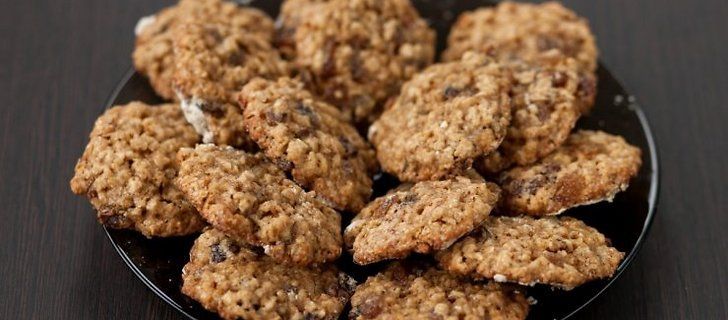
Sausainiai are a wonderful example of how simple ingredients can create a comforting homemade treat. These biscuits or cookies can be crisp, buttery, lightly sweet, and wonderfully fragrant when prepared with the right techniques. Whether you are an experienced baker or making sausainiai for the first time, a few practical baking tips can make a noticeable difference. From choosing quality ingredients to controlling oven temperature, every step contributes to the final texture and flavor. With a little attention to detail, you can prepare sausainiai that are golden, crisp, and delicious every time.
Start With the Right Ingredients
Great sausainiai begin with good ingredients. Flour, butter, sugar, eggs, and flavorings form the foundation of many traditional recipes. Choose fresh ingredients whenever possible because freshness can affect both taste and texture.
All-purpose flour is commonly suitable for sausainiai because it provides enough structure without making the cookies too heavy. Butter contributes richness and helps create a delicate texture. For a crisp result, regular granulated sugar can be especially useful because it encourages spreading and caramelization during baking.
Vanilla extract, lemon zest, cinnamon, or other spices can add character without overpowering the basic flavor. If a recipe includes baking powder or baking soda, measure it carefully. Too much leavening can cause sausainiai to become puffy or cakey instead of pleasantly crisp.
Measure Everything Accurately
Baking is more precise than ordinary cooking, so accurate measurements matter. Too much flour can make sausainiai dry and hard, while too little flour may cause the dough to spread excessively in the oven.
For the most consistent results, use a kitchen scale when possible. If measuring flour with cups, avoid packing it tightly into the measuring cup. Spoon the flour into the cup and level the top with a straight edge.
Sugar also affects more than sweetness. It influences browning, spread, moisture, and crispness. Following the recipe’s recommended quantities will help maintain the intended balance between these qualities.
Prepare the Dough Carefully
The way you prepare the dough can strongly influence your sausainiai. Begin with butter at the appropriate temperature. Softened butter is generally easier to cream with sugar, while melted butter creates a different texture and may produce more spread.
When creaming butter and sugar, mix until the combination is smooth and somewhat fluffy. This process incorporates air into the mixture. However, once flour has been added, avoid excessive mixing. Overworking the dough can develop too much gluten, resulting in tougher cookies.
Add dry ingredients gradually and mix only until they are incorporated. If the dough feels unusually sticky, chilling it before baking can make it easier to handle and can help control spreading.
Chill the Dough When Necessary
Chilling is one of the simplest ways to improve the shape and texture of sausainiai. Refrigerating the dough allows the butter to firm up, which slows spreading when the dough enters the hot oven.
A chilled dough can also be easier to roll and cut into neat shapes. If you want uniform biscuits, divide the dough into equal portions before baking. A cookie scoop or kitchen scale can help create pieces of similar size.
Keep in mind that very cold dough may require a little additional preparation before rolling. Letting it rest briefly at room temperature can make it easier to work with without allowing the butter to become too soft.
Pay Attention to Oven Temperature
An accurate oven temperature is essential for crisp and evenly baked sausainiai. An oven that is too hot can brown the outside quickly while leaving the center underbaked. An oven that is too cool may allow the dough to spread excessively and produce a pale, soft result.
Preheat the oven fully before placing the cookies inside. If possible, use an oven thermometer to check whether the actual temperature matches the setting on the dial or display.
Bake one small test batch first if you are unfamiliar with your oven. This allows you to determine whether the sausainiai need more or less baking time before committing the entire batch.
Use the Right Baking Surface
Your baking sheet can affect how sausainiai bake. A light-colored metal baking sheet generally provides predictable browning, while darker sheets may absorb more heat and cause the bottoms to brown faster.
Leave enough space between each piece of dough. Cookies naturally spread as they bake, and overcrowding can cause them to merge together.
Parchment paper can make cleanup easier and can also help prevent sticking. Avoid placing dough on a hot baking sheet when preparing multiple batches because the heat can cause the next batch to spread before it has a chance to bake properly.
Know When Sausainiai Are Done
One of the most important baking skills is learning to recognize doneness. Sausainiai may look slightly soft in the center when removed from the oven, but they often continue firming as they cool.
For crisp edges, look for a light golden color around the outside. The exact baking time depends on the thickness and size of the cookies, so visual cues are often more reliable than following the timer alone.
Do not wait until the entire surface becomes dark brown unless the recipe specifically calls for deeply baked cookies. Overbaking can result in a dry or bitter taste.
Let Them Cool Properly
Cooling is an important final step. Freshly baked sausainiai are usually delicate and may break easily if moved immediately. Leave them on the baking sheet for a few minutes before transferring them to a wire rack.
As they cool, moisture escapes and the texture becomes firmer. This is particularly important when aiming for a crisp finish. Once completely cool, store the sausainiai in an airtight container to preserve their texture.
If crispness is your priority, avoid storing them with very soft or moist baked goods. Moisture can move between foods and make crisp cookies lose their crunch.
Add Flavor Without Losing the Classic Character
Sausainiai can be kept traditional while still offering plenty of variety. A little grated lemon or orange zest can provide freshness, while cinnamon and cardamom create a warm, aromatic profile. Chopped nuts can add crunch, and small amounts of chocolate can make the cookies more indulgent.
When experimenting, change one ingredient or flavor at a time. This makes it easier to understand how each adjustment affects the finished result. You can also shape sausainiai differently for special occasions, using cookie cutters, a fork, or a simple rolling technique.
Common Mistakes to Avoid
Several small mistakes can prevent sausainiai from becoming crisp and delicious. Using too much flour is a common problem, as it can make the cookies dense and dry. Overmixing after adding flour can also produce a tougher texture.
Another mistake is placing dough on an inadequately preheated oven tray or failing to preheat the oven. Opening the oven door repeatedly can also cause temperature fluctuations and uneven baking.
Finally, avoid judging the texture immediately after removing the cookies from the oven. Sausainiai become firmer as they cool, so patience can make a significant difference.
Enjoy Perfect Homemade Sausainiai
Making excellent sausainiai does not require complicated equipment or advanced baking skills. Careful measurements, appropriate mixing, controlled chilling, and accurate baking temperatures can transform a basic dough into a crisp and flavorful homemade treat. Pay attention to color and texture rather than relying only on baking time, and always allow the cookies to cool before storing them.
Once you understand these fundamentals, you can confidently experiment with flavors, shapes, and textures. Whether served alongside tea, enjoyed as an afternoon snack, or prepared for a celebration, freshly baked sausainiai offer a simple and satisfying way to bring homemade comfort to any occasion.