
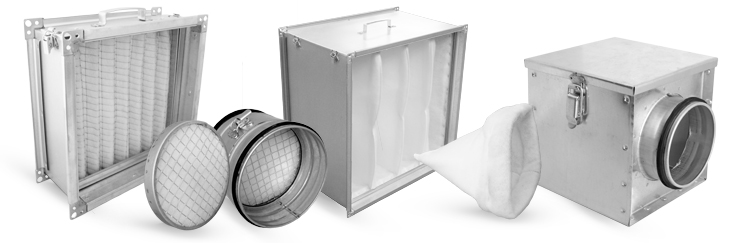
Efficient ventilation is essential for maintaining comfortable, healthy, and productive indoor environments. Whether in homes, offices, commercial buildings, industrial facilities, or public spaces, a well-maintained ventilation system helps control airborne particles, dust, allergens, and other contaminants. One of the most important components in achieving reliable ventilation performance is the right lüftungsfilter. A suitable filter not only supports cleaner indoor air but can also contribute to better airflow efficiency, lower energy consumption, and improved system performance.
Understanding how filters affect ventilation can help building owners, facility managers, and homeowners make better maintenance decisions. From selecting the correct filter class to replacing filters at the right time, several simple steps can make a noticeable difference in the overall operation of a ventilation system.
Choose the Right Filter for Your Ventilation System
The first step toward improving ventilation performance is selecting a filter that matches the requirements of the system. Different ventilation systems have different airflow capacities, operating conditions, and filtration needs. Installing an unsuitable filter can create unnecessary resistance, reduce airflow, or fail to provide adequate protection against airborne particles.
A lüftungsfilter should be selected according to the ventilation equipment, required filtration level, and environmental conditions. Common filter classes include G4, M5, F7, and F8, each designed for specific filtration requirements. The correct choice depends on the type of building, indoor air quality objectives, and recommendations provided by the ventilation system manufacturer.
A filter that is too restrictive for a system may increase pressure drop and force the fan to work harder. On the other hand, a filter with insufficient filtration performance may allow excessive dust and particles to pass through the system. Finding the right balance between filtration efficiency and airflow resistance is therefore essential.
Replace Filters at the Correct Time
Even a high-quality filter cannot perform effectively forever. As particles accumulate within the filter media, airflow resistance gradually increases. A heavily loaded filter can make it more difficult for the ventilation system to move air efficiently, potentially reducing overall performance.
Regular replacement is one of the simplest ways to maintain efficient airflow. The ideal replacement interval depends on several factors, including indoor air pollution, outdoor conditions, operating hours, and the type of ventilation system. Buildings located in dusty environments or areas with high outdoor pollution may require more frequent filter changes.
Instead of waiting until airflow becomes noticeably weak, it is better to establish a regular inspection and replacement schedule. Monitoring the condition of the lüftungsfilter can help prevent excessive pressure buildup and ensure the ventilation system continues to operate smoothly.
Keep the Ventilation System Clean
Filters are designed to capture airborne particles, but other parts of a ventilation system can also collect dust and debris over time. Dirty grilles, ducts, fans, and air intake areas can reduce system efficiency and affect airflow distribution.
Cleaning accessible components regularly can complement proper filter maintenance. Air intake openings should remain free from leaves, dirt, dust, and other obstructions. Ventilation grilles should also be checked to ensure they are not blocked by furniture, equipment, or accumulated debris.
A clean system allows air to move more freely and reduces the workload placed on fans and other components. Combining regular cleaning with timely lüftungsfilter replacement creates a more effective approach to maintaining ventilation efficiency.
Check for Airflow Restrictions
Airflow efficiency can be affected by more than just the condition of the filter. Blocked vents, damaged ducts, poorly positioned grilles, and restricted air passages can all interfere with proper air movement.
Regular inspections can help identify these issues before they become major problems. Check supply and return air openings to make sure they are unobstructed. If certain areas of a building consistently experience poor airflow, the ventilation system may require professional inspection or balancing.
A properly installed lüftungsfilter should also fit securely within its housing. Gaps around the filter can allow unfiltered air to bypass the filter media, while incorrect installation may create unnecessary airflow resistance. Ensuring the filter is correctly positioned can therefore improve both filtration and system performance.
Monitor Pressure Drop
Pressure drop is an important factor when evaluating ventilation performance. As a filter collects dust and particles, resistance to airflow increases. Monitoring pressure differences across the filter can provide useful information about when replacement is necessary.
Many modern ventilation systems use pressure sensors or monitoring devices to track filter loading. These systems can help maintenance teams identify filters that are becoming excessively clogged.
For buildings without automated monitoring, regular visual inspections and scheduled maintenance can still provide valuable information. However, a filter may appear relatively clean while still creating significant airflow resistance, so professional measurements can be useful for larger or more complex ventilation systems.
Managing pressure drop effectively helps maintain stable airflow and prevents ventilation equipment from operating under unnecessary strain.
Improve Fan and System Efficiency
The condition of the filter directly influences the workload placed on ventilation fans. When resistance increases, fans may need to operate at higher speeds or consume more energy to maintain the required airflow.
Using an appropriately rated lüftungsfilter and replacing it before it becomes excessively loaded can help reduce unnecessary energy demand. This is particularly important in commercial and industrial buildings where ventilation systems may operate continuously.
Energy efficiency should always be considered alongside filtration performance. Choosing the highest possible filtration level is not automatically the best solution if the ventilation system is not designed to handle the resulting pressure drop. The best approach is to select a filter that provides the required level of particle removal while remaining compatible with the system’s airflow capacity.
Select High-Quality Filters
Filter quality can have a significant impact on ventilation performance. Reliable products are generally manufactured according to established standards and designed to provide consistent filtration performance throughout their service life.
High-quality lüftungsfilter options are available in several classes and configurations to suit different ventilation applications. Choosing certified products from a reliable manufacturer can provide greater confidence in filtration performance, dimensions, construction quality, and compatibility.
For customers in Germany, an online shop offering a wide selection of high-quality G4, M5, F7, and F8 filters for ventilation systems can make it easier to find suitable products. Purchasing directly from a manufacturer may also provide access to competitive prices and certified filters designed for various ventilation applications.
Maintain Proper Installation Practices
Correct installation is just as important as selecting the right filter. Even an excellent filter will not perform as expected if it is installed incorrectly.
Before installation, verify that the filter dimensions match the filter housing. The airflow direction should also correspond with the manufacturer’s instructions. Many filters have an airflow arrow that indicates the correct installation orientation.
The filter should sit securely in place without excessive gaps. Poor sealing can allow air to bypass the filter, reducing filtration performance and potentially allowing contaminants to enter the ventilation system.
After installing a new lüftungsfilter, it is useful to check the system for unusual noises, airflow changes, or other signs of improper installation. Correct fitting ensures that the ventilation system can operate efficiently while providing effective particle filtration.
Establish a Preventive Maintenance Routine
Preventive maintenance is one of the most effective ways to protect ventilation performance over the long term. Instead of reacting to problems after they occur, building operators can create a routine that includes filter inspections, scheduled replacement, cleaning, and airflow checks.
A maintenance log can help track when filters were installed and replaced. It can also record observations about dust accumulation, pressure readings, and system performance. Over time, this information can help determine the most appropriate replacement schedule.
Regular maintenance also helps identify potential mechanical problems before they lead to costly repairs. Fans, motors, belts, dampers, and other components can be inspected alongside the lüftungsfilter to ensure the complete system operates efficiently.
Consider the Building’s Environment
Every building has different ventilation requirements. An office located in a clean urban environment may have different filtration needs from a manufacturing facility, workshop, school, or residential property.
Outdoor air quality, construction activities, seasonal pollen, indoor occupancy, and industrial processes can all affect how quickly filters become loaded. Understanding these conditions makes it easier to establish a practical maintenance strategy.
For example, periods of high pollen or increased outdoor dust may require more frequent inspections. Buildings with heavy indoor particle generation may also need specialized filtration solutions.
Conclusion
Improving ventilation performance and airflow efficiency does not always require major system upgrades. Simple steps such as selecting the correct lüftungsfilter, replacing filters on schedule, maintaining clean ventilation components, checking for airflow restrictions, and monitoring pressure drop can make a meaningful difference.
A properly selected and maintained filter supports cleaner indoor air while helping ventilation equipment operate more efficiently. By combining high-quality filtration products with regular preventive maintenance and correct installation practices, building owners and facility managers can improve system reliability, maintain consistent airflow, and potentially reduce unnecessary energy consumption. A thoughtful approach to lüftungsfilter maintenance is therefore an important part of achieving efficient and dependable ventilation performance.