
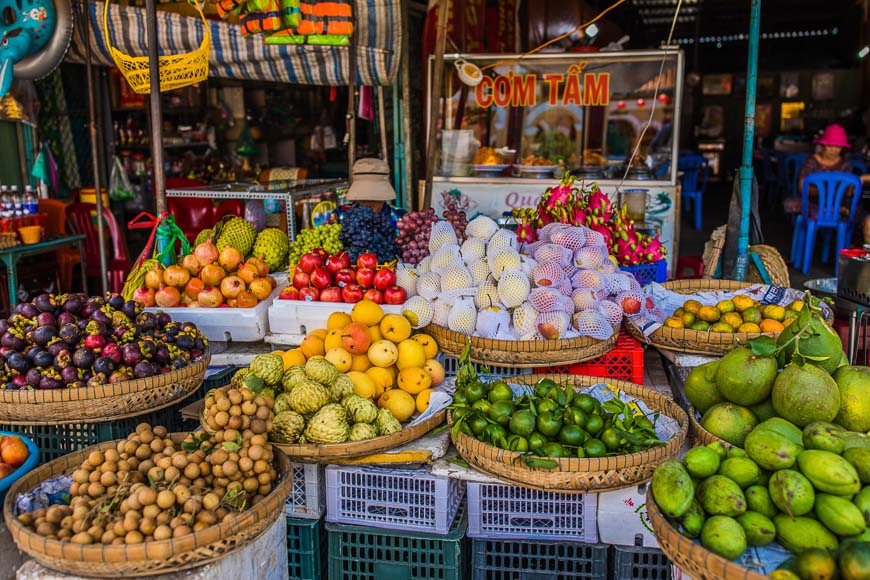
Growing Popularity of Imported Fruits in Ho Chi Minh City
Ho Chi Minh City has become one of the most dynamic food markets in Southeast Asia, and one noticeable trend is the increasing demand for imported fruits. Consumers are no longer limited to local produce; instead, they actively seek high-quality international options known locally as trái cây nhập khẩu. These fruits come from countries such as the United States, Australia, New Zealand, South Korea, and Japan, and are widely available in supermarkets, specialty fruit shops, and online stores.
The main reason behind this growing demand is trust in quality and safety. Many consumers believe imported fruits follow stricter agricultural standards, including pesticide control, packaging hygiene, and cold-chain transportation. As a result, trái cây nhập khẩu is often associated with cleaner, fresher, and more premium produce compared to some local alternatives.
Nutritional Value and Health Advantages of Imported Fruits
One of the biggest reasons people choose imported fruits is their strong nutritional profile. Many varieties are harvested under controlled conditions and transported quickly using modern refrigeration systems that help preserve vitamins, minerals, and antioxidants.
For example, apples from the United States and New Zealand are rich in fiber and vitamin C, which support digestion and immune health. Grapes from Australia are packed with antioxidants like resveratrol, which are known to help protect heart health. Japanese strawberries, another popular type of trái cây nhập khẩu, are appreciated for their high vitamin content and natural sweetness.
In Ho Chi Minh City’s tropical climate, imported fruits also offer dietary variety. While local fruits like mangoes, dragon fruit, and rambutan are nutritious, imported options provide different nutrients that may not be commonly found in domestic produce. This balance helps consumers maintain a more complete and diverse diet.
Another important benefit is reduced exposure to excessive pesticides. Many imported fruits follow strict international food safety standards, which gives consumers more confidence in their daily consumption. This is one of the key reasons why trái cây nhập khẩu is increasingly chosen by health-conscious families.
Why Consumers Prefer Imported Fruits Over Local Options
The preference for imported fruits in Ho Chi Minh City is influenced by more than just health benefits. Lifestyle, appearance, and perceived quality also play a major role.
Firstly, presentation matters. Imported fruits often look more uniform in size, color, and texture. This visual appeal makes them popular for gifting during holidays, business meetings, and family gatherings. A well-packaged box of trái cây nhập khẩu is commonly seen as a symbol of care and respect.
Secondly, taste consistency is another factor. Many consumers report that imported fruits have a more stable flavor profile throughout the year. Unlike seasonal local fruits, imported varieties are available consistently, allowing consumers to enjoy their favorite fruits anytime.
Thirdly, rising income levels in Ho Chi Minh City have changed purchasing behavior. More people are willing to pay a premium for quality and convenience. Imported fruits are often perceived as a luxury product, and this perception increases their desirability among middle and upper-income groups.
Finally, social influence plays a significant role. Social media, health influencers, and nutrition experts frequently promote the benefits of trái cây nhập khẩu, especially in relation to clean eating and modern wellness lifestyles. As a result, younger generations are more likely to include imported fruits in their daily diets.
Role of Imported Fruits in Modern Healthy Lifestyles
In today’s fast-paced urban environment, many people in Ho Chi Minh City are focusing more on healthy living. Imported fruits fit perfectly into this lifestyle trend because they are convenient, nutritious, and easy to consume.
Busy professionals often choose fruit as a quick snack or breakfast alternative. Instead of processed foods, they prefer fresh options like blueberries, cherries, and apples. These fruits provide natural energy without added sugar or preservatives. As awareness of nutrition grows, trái cây nhập khẩu has become a staple in office lunches and fitness diets.
Fitness enthusiasts and people following weight management plans also benefit from imported fruits. Many of them are low in calories but rich in fiber, helping control hunger and improve digestion. For example, kiwi and berries are commonly recommended for their antioxidant and metabolism-supporting properties.
Families with children also prefer imported fruits because of their safety perception. Parents often choose these fruits to ensure their children consume clean and nutritious food. This growing trust further strengthens the demand for trái cây nhập khẩu in urban households.
Challenges and Considerations in the Imported Fruit Market
Despite their popularity, imported fruits also come with certain challenges. The most obvious is price. Compared to local fruits, imported varieties are significantly more expensive due to transportation, taxes, and storage costs. This makes them less accessible to lower-income consumers.
Another concern is environmental impact. Long-distance transportation contributes to carbon emissions, which raises sustainability questions. Some consumers are becoming more aware of this issue and are trying to balance their consumption between local and imported fruits.
Additionally, freshness can sometimes vary depending on storage conditions. While cold-chain logistics help maintain quality, improper handling during distribution can affect taste and texture. Therefore, choosing reliable suppliers is important when purchasing trái cây nhập khẩu in Ho Chi Minh City.
The Future of Imported Fruit Consumption in Ho Chi Minh City
The demand for imported fruits is expected to continue growing as Ho Chi Minh City becomes more urbanized and globally connected. With improving logistics, better online shopping platforms, and increasing health awareness, consumers will have even easier access to high-quality fruits from around the world.
In the future, we may also see more organic and sustainably farmed imported fruits entering the market. These products will likely appeal to environmentally conscious consumers who want both health benefits and ethical sourcing.
At the same time, local fruit producers are also improving quality standards to compete with imported options. This healthy competition benefits consumers by offering more choices at different price points.
Ultimately, trái cây nhập khẩu will continue to play an important role in shaping modern dietary habits in Ho Chi Minh City. Its combination of nutrition, quality, and lifestyle appeal ensures that it remains a preferred choice for many consumers.
Conclusion
Imported fruits have become a significant part of the food culture in Ho Chi Minh City. Their health benefits, consistent quality, and attractive presentation make them highly desirable among urban consumers. While they may be more expensive than local alternatives, the value they offer in terms of nutrition and lifestyle benefits continues to drive demand.
As awareness of healthy eating grows, the popularity of trái cây nhập khẩu is expected to rise even further, shaping the future of fruit consumption in Vietnam’s largest city.