
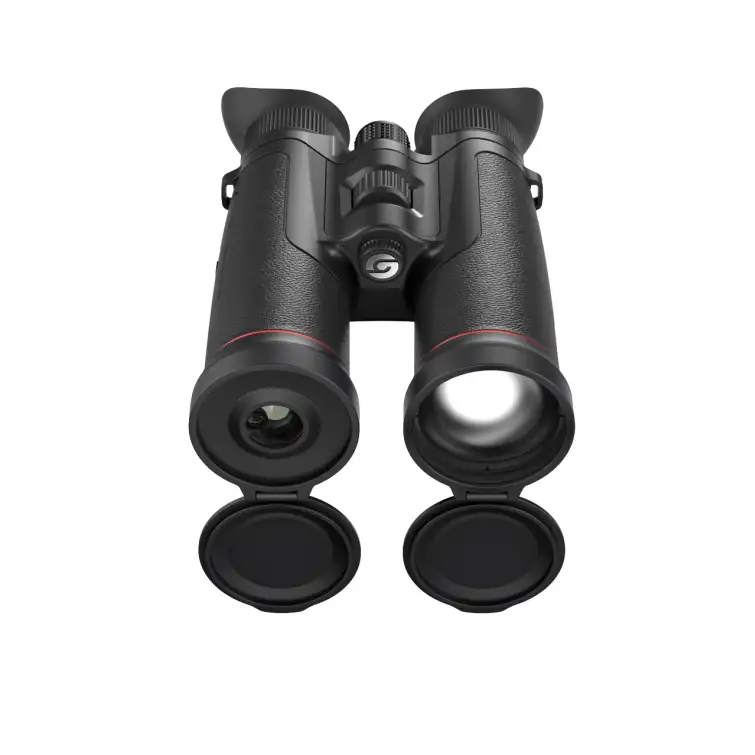
In recent years, thermal hunting binoculars have revolutionized outdoor adventures, hunting, and wildlife observation. Unlike traditional optics that rely solely on visible light, thermal binoculars detect infrared radiation emitted by objects, allowing users to see heat signatures even in complete darkness. This technology opens up new possibilities for hunters and nature enthusiasts alike, offering enhanced visibility, precision, and safety.
Understanding Thermal Technology in Hunting Binoculars
Thermal imaging works by capturing heat emitted by objects and converting it into a visible image on a screen. Unlike night vision devices that amplify existing light, thermal hunting binoculars detect heat differences, enabling users to identify animals, humans, or obstacles regardless of lighting conditions. This capability is particularly useful in dense forests, foggy environments, or during night hunts, where visibility is typically limited.
Modern thermal binoculars use advanced sensors and processors to produce clear, high-contrast images. Resolution, refresh rate, and sensitivity are crucial specifications, as they determine how accurately the device can detect small temperature variations. High-end models often feature multiple color palettes, adjustable sensitivity, and digital zoom to enhance usability in various terrains.
Key Features to Look for in Thermal Hunting Binoculars
When selecting thermal hunting binoculars, several features can significantly impact performance and user experience. Understanding these factors helps hunters choose a device that fits their specific needs.
Image Resolution and Sensor Quality
The clarity of thermal images is directly influenced by the sensor resolution. Higher-resolution sensors provide sharper images and allow users to detect subtle heat differences at longer distances. Low-resolution sensors may produce grainy images, making it harder to identify animals accurately.
Detection Range and Field of View
Detection range indicates how far a thermal binocular can effectively spot heat signatures. This range varies based on sensor quality, lens size, and environmental conditions. Field of view (FOV) is equally important, as a wider FOV allows users to scan larger areas without moving the device frequently. A balance between range and FOV ensures effective tracking and observation during hunts.
Refresh Rate and Responsiveness
Refresh rate measures how quickly the image updates on the screen. Higher refresh rates provide smoother motion tracking, which is essential when observing moving animals. Low refresh rates can result in choppy images, making it difficult to follow fast-moving targets. Most modern thermal hunting binoculars offer refresh rates between 30Hz and 60Hz, which are sufficient for dynamic hunting scenarios.
Ergonomics and Durability
Comfortable handling is crucial for long hunting sessions. Lightweight, well-balanced designs reduce fatigue, while ergonomic controls allow hunters to adjust settings without interrupting their focus. Additionally, rugged construction ensures durability in harsh outdoor conditions. Many thermal binoculars are waterproof, fog-resistant, and shockproof, making them reliable tools in extreme environments.
Power Source and Battery Life
Thermal binoculars rely on batteries, and battery life varies depending on sensor power, screen brightness, and additional features. Models with longer battery life are preferable for extended hunting trips. Some devices also offer replaceable or rechargeable batteries, giving users flexibility in the field. Efficient power management ensures that the binoculars remain operational throughout critical moments during hunts.
Image Processing and Digital Features
Advanced thermal hunting binoculars often include digital enhancements such as image sharpening, contrast adjustment, and automatic calibration. These features help optimize image quality in different environmental conditions. Some models also provide video recording, Wi-Fi connectivity, and smartphone integration, enabling hunters to document and share their experiences seamlessly.
Applications of Thermal Hunting Binoculars
While hunting remains the primary use, thermal hunting binoculars have diverse applications. Wildlife researchers can track animal movements without disturbing habitats, and search-and-rescue teams can locate missing persons in challenging conditions. Even outdoor enthusiasts benefit from these devices during camping or hiking, as they improve nighttime awareness and safety.
Hunters gain a distinct advantage with thermal binoculars. The ability to detect animals in low visibility increases the chances of successful and ethical hunting. Early detection reduces the need for close-range approaches, minimizing the risk of startling the target. Additionally, thermal technology helps identify hidden game, such as animals concealed by vegetation or terrain, providing a strategic edge.
Comparing Thermal Binoculars with Traditional Night Vision
It’s important to distinguish thermal hunting binoculars from conventional night vision optics. Night vision amplifies available light, requiring at least some illumination, and is less effective in complete darkness or through obstructions like fog or smoke. Thermal devices, on the other hand, rely on heat signatures and perform consistently regardless of lighting.
Thermal binoculars are generally more expensive, but their advantages often justify the investment. The ability to detect heat at significant distances, see through partial obstructions, and operate in any light condition makes them indispensable for serious hunters and professionals in the field.
Maintenance and Care Tips
To ensure longevity, proper maintenance of thermal hunting binoculars is essential. Clean lenses carefully using soft microfiber cloths and avoid touching the sensor surface. Store the binoculars in a protective case to prevent damage from moisture, dust, or impact. Regular software updates, if supported, can enhance performance and fix potential bugs in digital features.
Battery management is another critical aspect. Always carry spare batteries or a charging solution, especially for prolonged trips. Avoid leaving batteries inside the device during storage for extended periods, as this may cause leakage and damage internal components.
Future Trends in Thermal Hunting Binoculars
Advancements in thermal technology continue to improve performance, affordability, and versatility. Miniaturization of sensors allows for more compact and lightweight designs without sacrificing image quality. Enhanced AI and image recognition features are expected to assist hunters in identifying species or tracking movement patterns more efficiently.
Integration with GPS and mapping tools is also becoming more common. Some next-generation thermal hunting binoculars can overlay terrain maps, record geo-tagged sightings, and even communicate with other smart devices in real time. These innovations promise to make thermal imaging an indispensable tool not just for hunting, but for broader outdoor and professional applications.
Conclusion
Thermal hunting binoculars have transformed the way hunters, researchers, and outdoor enthusiasts observe the world. By detecting heat rather than relying on light, they provide unmatched visibility in complete darkness, dense foliage, or adverse weather conditions. Key features like sensor resolution, detection range, refresh rate, durability, and digital enhancements determine their effectiveness and usability.
Investing in quality thermal binoculars can significantly enhance hunting success, safety, and wildlife observation experiences. As technology continues to evolve, these devices will only become more powerful, compact, and accessible, cementing their role as essential tools for anyone serious about exploring and understanding the natural world.
The future of hunting and outdoor exploration is clearly intertwined with thermal imaging, and selecting the right thermal hunting binoculars ensures that adventurers are fully equipped to take advantage of this revolutionary technology.