
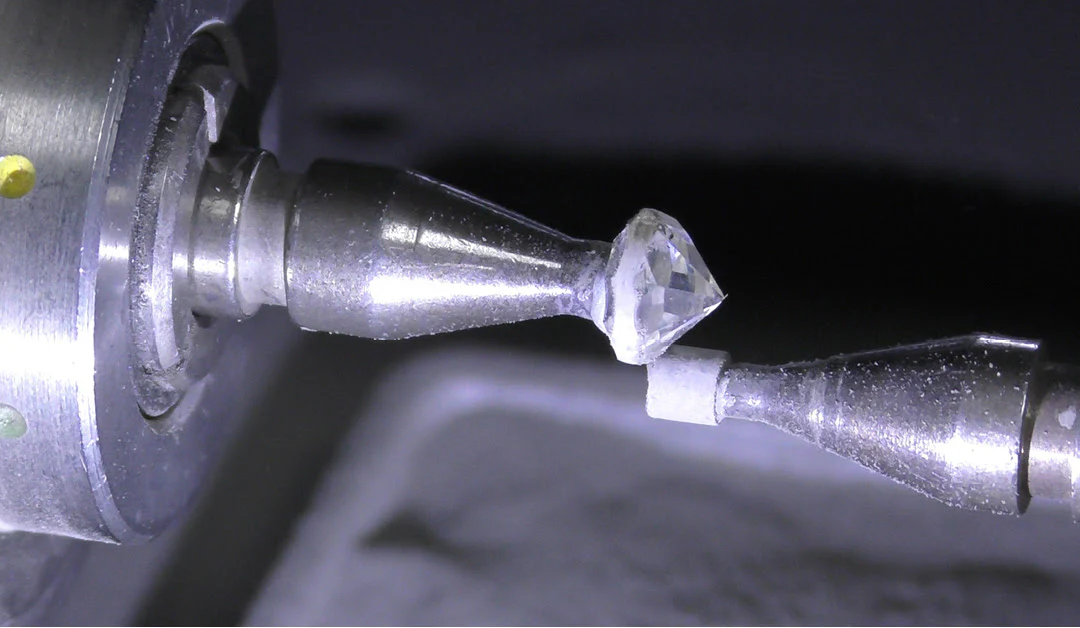
Diamond cutting has always been a delicate balance between artistry and precision engineering. For centuries, skilled craftsmen have meticulously shaped rough diamonds into exquisite gemstones, optimizing brilliance, fire, and symmetry. Today, the diamantskæring industry is undergoing a transformation fueled by technological innovations, sustainability concerns, and shifting consumer preferences. As we explore the future of diamond cutting, we see a blend of traditional expertise and cutting-edge innovation driving the next generation of craftsmanship.
Technological Advancements in Diamond Cutting
The diamond cutting industry has historically relied on manual techniques, with cutters relying on experience and intuition. While these methods produce exceptional results, they are time-intensive and require a high level of skill. Today, advanced technologies such as computer-aided design (CAD) and computer-aided manufacturing (CAM) are revolutionizing how diamonds are cut.
CAD software allows cutters to create precise digital models of diamonds before any physical work begins. This process optimizes proportions and angles, ensuring maximum brilliance and minimal waste. CAM systems then guide automated cutting machines with unparalleled precision, reducing human error and increasing efficiency. These technological tools are particularly valuable for handling complex shapes and rare gemstones where precision is critical.
Laser cutting technology has also emerged as a game-changer in diamond cutting. Unlike traditional mechanical saws, lasers can cut with extreme accuracy, enabling intricate designs and customized shapes. This is especially useful for non-traditional diamond cuts that cater to modern tastes, including fancy shapes and bespoke designs.
Sustainability and Ethical Considerations
Sustainability is becoming a major driving force in the diamond industry. Consumers are increasingly concerned about ethical sourcing, environmental impact, and the traceability of their gemstones. These concerns extend to diamond cutting practices.
Modern diamond cutting facilities are investing in energy-efficient machinery, recycling waste material, and implementing environmentally friendly practices. Synthetic diamonds, created in laboratories, are also gaining popularity. These lab-grown stones can be cut and polished just like natural diamonds, offering an ethical alternative with a significantly smaller ecological footprint.
In addition to environmental concerns, transparency in the supply chain is crucial. Technologies such as blockchain are being used to track diamonds from mine to market, ensuring that each gemstone is ethically sourced and conflict-free. Diamond cutting processes are increasingly integrated into this digital verification system, giving consumers confidence in the provenance of their stones.
Automation and AI Integration
Automation is reshaping many traditional industries, and diamond cutting is no exception. Robotic cutting systems, guided by artificial intelligence (AI), can now analyze the internal structure of rough diamonds and determine the optimal cut to maximize value and brilliance.
AI algorithms assess inclusions, internal flaws, and crystal orientation to create a cutting plan that human cutters might overlook. This approach not only improves yield but also reduces the risk of damaging valuable stones. As AI continues to advance, we can expect even greater precision and efficiency in diamond cutting, allowing cutters to focus more on the artistic and aesthetic aspects of their craft.
Personalization and Custom Designs
The future of diamond cutting is closely tied to personalization. Modern consumers are looking for unique gemstones that reflect their individual style. Custom-cut diamonds, tailored to specific preferences, are becoming increasingly popular.
Digital modeling tools allow cutters to simulate multiple design options before cutting a stone, ensuring that clients receive exactly what they envision. Laser engraving techniques can add personalized inscriptions without compromising the stone’s integrity, creating a truly bespoke experience.
Additionally, cutting innovations are expanding beyond traditional shapes like round, princess, and emerald cuts. Fancy shapes such as pear, heart, and kite cuts are being refined with precision tools, catering to a new generation of consumers seeking one-of-a-kind pieces.
Enhancing Brilliance and Optical Performance
The ultimate goal of diamond cutting has always been to maximize the stone’s brilliance and fire. Advances in optical analysis are helping cutters achieve unprecedented levels of precision in this area.
High-resolution imaging and spectrometry can analyze how light interacts with a diamond, guiding cutters to adjust angles and facets for optimal reflection. Precision measurement tools ensure symmetry and alignment, enhancing the visual impact of the gemstone. These techniques are particularly important for high-value diamonds where even minor imperfections can significantly affect appearance and price.
Training and Skill Development
While technology is transforming diamond cutting, human expertise remains essential. The next generation of diamond cutters is being trained to work alongside machines, blending traditional skills with modern tools.
Educational programs now incorporate CAD modeling, laser operation, and AI-assisted planning alongside classic techniques like hand polishing and facet alignment. This hybrid skill set ensures that craftsmanship remains a central part of the industry while embracing technological efficiencies.
Mentorship and apprenticeship programs are also evolving. Experienced cutters pass on their knowledge to younger professionals in a digitally enhanced environment, ensuring that the art of diamond cutting is preserved while embracing innovation.
Market Trends Influencing Diamond Cutting
The diamond cutting industry is also shaped by broader market trends. Millennials and Gen Z buyers are prioritizing sustainability, personalization, and unique designs over mass-produced stones. This shift is influencing cutting styles, with a growing emphasis on bespoke cuts, lab-grown diamonds, and ethically sourced gemstones.
E-commerce is another factor driving innovation. Online retailers demand high-quality images and 3D visualizations to showcase diamonds effectively. Advanced cutting and imaging technologies help create visually stunning stones that appeal to digital shoppers, enhancing the overall buying experience.
Globalization is also expanding the market for diamond cutting. Countries with emerging luxury markets are increasing demand for high-quality gemstones, prompting innovation in both production techniques and design aesthetics to meet diverse consumer preferences.
Conclusion
The future of diamond cutting is a dynamic fusion of tradition and innovation. Advanced technologies like AI, laser cutting, and CAD modeling are enhancing precision and efficiency, while ethical considerations and sustainability practices are reshaping the industry’s values. Personalization, unique designs, and enhanced optical performance are meeting the evolving tastes of modern consumers.
Human expertise remains central to this transformation, as cutters integrate their craftsmanship with cutting-edge tools to create exceptional gemstones. The industry’s ability to adapt to technological, ethical, and market trends ensures that diamond cutting will continue to captivate the world with both artistry and innovation.
For professionals in related fields, including diamantboring og diamantskæring i beton, the innovations in precision tools and materials handling reflect a broader trend in combining technology with traditional skill. Whether for private or commercial projects, services across Denmark are embracing these principles, offering reliable, professional solutions at attractive prices. The lessons from gemstone cutting are increasingly relevant in construction and engineering, where precision, efficiency, and innovation define success.