
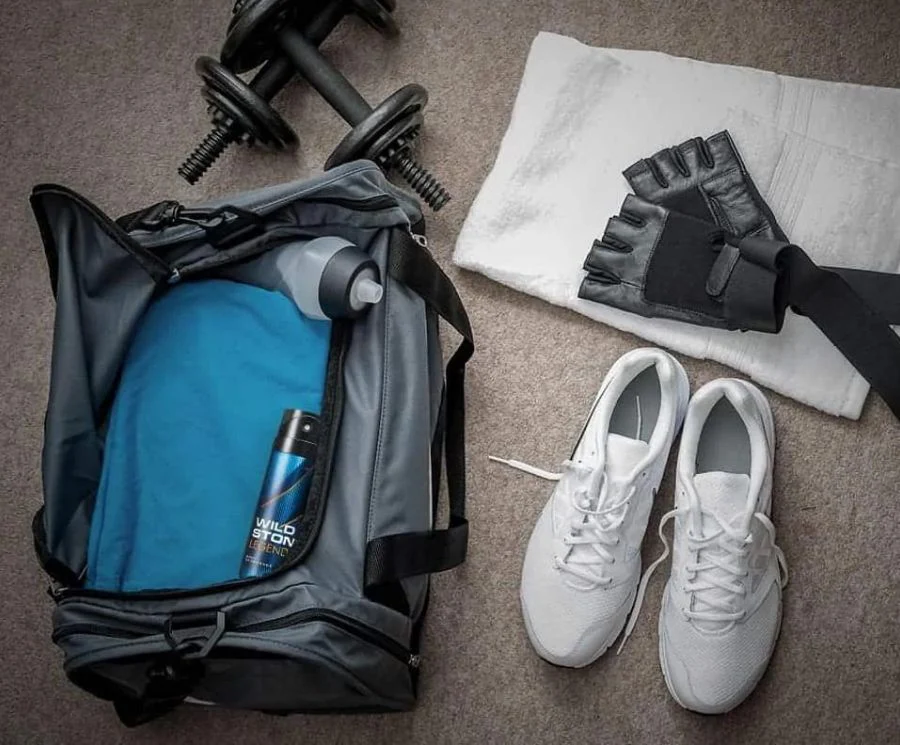
You’ve started thinking about what goes into your body. You’ve started thinking about what touches your skin. Now look inside your gym bag.
Water bottles from a decade ago. Synthetic training shirts that shed plastic every wash. Deodorant with aluminum compounds. Protein shakers made from questionable plastics. If the gym bag is where your training philosophy lives, it deserves the same scrutiny you’ve applied elsewhere.
This is the practical guide to building a clean, low-toxin gym kit from scratch.
What Most Gym Bag Guides Miss
The standard “best gym bag essentials” article covers gear by category: bag, shoes, water bottle, protein powder, headphones. These guides evaluate performance and convenience. Almost none evaluate material chemistry or toxin load.
For men who’ve applied serious thought to their diet and personal care products, the gym bag is full of chemical exposures that haven’t been scrutinized. Synthetic shirts that maximize chemical absorption during the highest-permeability activity of the day. Plastic shakers that may leach BPA under heat. Conventional post-workout lotions with synthetic fragrance compounds.
The good news: low-toxin alternatives exist for every major gym bag category.
The gym bag represents the intersection of every health habit you’ve built. It deserves the same quality standard you apply to what you put inside your body.
Building a Low-Toxin Gym Kit
Shirts: GOTS-Certified Organic Cotton
Organic cotton workout shirts certified to GOTS are the highest-priority item in the gym bag. They eliminate the chemical exposure pathway that conventional and synthetic training shirts create during the exercise window of maximum skin permeability. Two shirts in rotation is the practical minimum.
Underwear: GOTS-Certified Boxer Briefs
The second-highest-priority swap. Organic cotton boxer briefs with a cotton-inlay waistband eliminate chemical exposure in the most sensitive anatomical region during training. Pack a fresh pair for post-workout change if you’re training away from home.
Water Bottle: Stainless Steel or Glass
BPA-free plastic bottles still contain alternative plasticizers (BPS, BPF) with similar endocrine disruption profiles. Stainless steel doesn’t leach, doesn’t impart taste, and handles both hot and cold. A single quality stainless bottle lasts years. The “eco-friendly” plastic alternatives are an improvement on standard plastic but not a complete solution.
Post-Workout Nutrition Container: Glass or Stainless
Same logic as water bottles. For pre-portioned snacks or supplement storage, glass containers avoid the plastic leaching issue entirely.
Personal Care Post-Workout: Mineral or Natural Deodorant
Standard antiperspirants with aluminum compounds aren’t classified as dangerous, but men who apply clean standards to their training environment often prefer mineral or natural deodorants applied to post-exercise skin. The post-workout skin is temporarily more absorbent than resting skin. What you apply immediately after training matters.
Prioritizing the Swaps
Tier 1 (highest chemical exposure impact): Training shirt and workout underwear. These have the highest skin contact duration under exercise conditions of maximum permeability. Replace these first.
Tier 2 (secondary exposure pathways): Water bottle and protein shaker. Leaching from plastics is a real but lower-magnitude exposure compared to sustained skin contact with fabric.
Tier 3 (personal preference optimization): Post-workout personal care products. Real impact but lower per-use compared to fabric contact.
Not worth worrying about: Headphones, gym bag material, training towel brand. These are either minimal skin contact or low-duration contact. Optimize the high-impact categories first.
Practical Packing Checklist for the Sustainable Gym Kit
In your bag:
- 2 GOTS-certified organic cotton training shirts
- 2 to 3 pairs of organic cotton workout underwear
- Stainless steel water bottle (32 oz minimum for training hydration)
- Glass or stainless supplement container if applicable
- Natural deodorant for post-session use
- Clean organic cotton shirt for post-workout wear
What to remove:
- Cheap synthetic training shirts with anti-microbial coatings
- Old plastic water bottles (especially those showing cloudiness or wear)
- Synthetic microfiber gym towels (contribute to microplastic contamination)
The Cumulative Case for a Clean Gym Kit
The gym is where health investment happens. You’re in the gym to build something — a healthier body, better performance, longer functional life. The chemical inputs during training sessions compound across every session you do over years of consistent training.
Organic cotton workout shirts in your gym bag aren’t a statement about your values, though they do reflect them. They’re a practical optimization of the one daily activity that creates the highest conditions for chemical absorption. A clean gym kit is the training environment aligned with the training goal.
What you pack in your gym bag is a choice you make every time you train. Making it once, well, means you stop making it repeatedly poorly.