
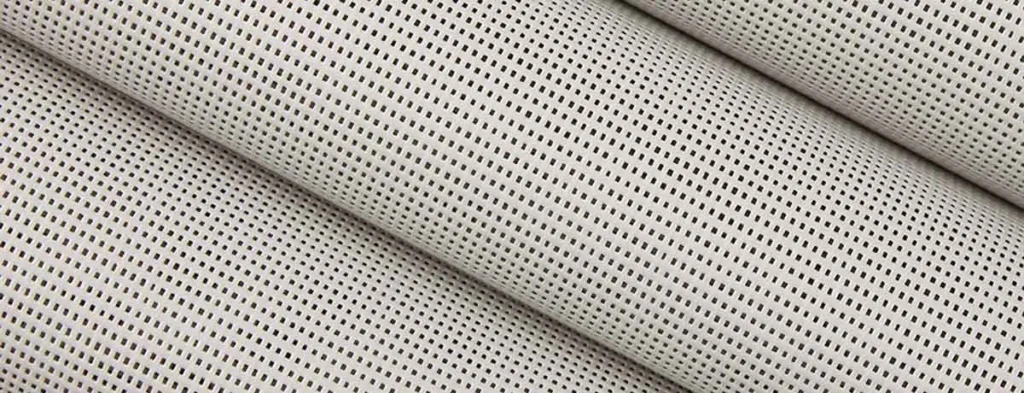
When it comes to materials that combine strength, versatility, and longevity, vinyl mesh stands out as a top choice for a wide range of applications. From outdoor furniture and fencing to industrial enclosures and protective screens, vinyl mesh is celebrated for its durability and resilience. Understanding the factors that contribute to its long-lasting nature can help homeowners, businesses, and industries make informed decisions when selecting materials for their projects. This article explores what makes vinyl mesh durable, how it performs under different conditions, and the considerations for maintaining its lifespan.
Understanding Vinyl Mesh
Vinyl mesh is a type of material made from synthetic vinyl coated over a woven mesh structure, typically polyester or another strong synthetic fiber. This combination creates a product that is not only flexible but also remarkably resistant to wear and tear. The mesh provides structural support, while the vinyl coating protects against moisture, UV exposure, and other environmental challenges. This dual-layer construction is what allows vinyl mesh to perform exceptionally well in applications where both strength and adaptability are required.
Unlike fabrics that are prone to fraying or materials that degrade quickly outdoors, vinyl mesh offers a unique balance of toughness and pliability. Its lightweight nature also makes it easy to handle and install, which is why it is commonly used for fencing, screens, outdoor seating, awnings, and even industrial barriers. Additionally, vinyl mesh comes in a variety of colors, weights, and weaves, allowing it to be customized for aesthetic appeal as well as functional performance.
Resistance to Environmental Factors
One of the main reasons vinyl mesh is so durable is its resistance to environmental elements. Exposure to sunlight, rain, wind, and temperature fluctuations can quickly deteriorate many materials, but vinyl mesh is engineered to withstand these challenges. The vinyl coating acts as a barrier against moisture, preventing mold and mildew growth. This makes it an ideal choice for outdoor applications where other materials might absorb water and weaken over time.
UV resistance is another key factor in the durability of vinyl mesh. Prolonged exposure to sunlight can cause some materials to fade, crack, or become brittle. High-quality vinyl mesh is treated to resist UV degradation, maintaining both its structural integrity and color vibrancy even after years of exposure. This makes it particularly valuable for applications such as patio furniture, shade structures, and outdoor signage where long-term sun exposure is unavoidable.
Temperature fluctuations can also pose a challenge, especially in regions with extreme weather. Vinyl mesh is designed to remain flexible across a wide temperature range, reducing the risk of cracking or tearing when exposed to heat or cold. This adaptability ensures that the material remains functional and aesthetically appealing regardless of seasonal changes.
Strength and Structural Integrity
Vinyl mesh owes much of its durability to the underlying mesh structure. The woven fibers provide tensile strength, allowing the material to resist stretching and tearing under stress. This makes vinyl mesh suitable for applications that require support and stability, such as fencing, netting, and protective barriers. The strength of the mesh is complemented by the vinyl coating, which reinforces the fibers and helps distribute stress evenly across the material.
In addition to resisting tearing, vinyl mesh is also resistant to punctures and abrasions. This is particularly important in industrial or high-traffic environments where materials are subjected to frequent contact with sharp objects or rough surfaces. The combination of flexibility and toughness ensures that vinyl mesh can endure these challenges without compromising its performance.
Low Maintenance and Longevity
Another factor contributing to the long-lasting nature of vinyl mesh is its low maintenance requirements. Unlike natural materials such as wood or cotton, vinyl mesh does not require regular sealing, staining, or replacement due to weather damage. Cleaning is typically simple and can be done with mild soap and water, making it convenient for both residential and commercial settings.
The ease of maintenance, combined with inherent resistance to environmental stressors, means that vinyl mesh can retain its appearance and functionality for many years. This longevity makes it a cost-effective solution, as it reduces the need for frequent replacements or repairs. For businesses, this translates to lower operational costs, while homeowners benefit from a durable, attractive material that performs well over time.
Versatility in Applications
The durability of vinyl mesh is enhanced by its versatility. It can be manufactured in different weights, colors, and mesh sizes, allowing it to be adapted for specific uses. For example, heavier vinyl mesh may be used for industrial fencing or protective barriers, while lighter mesh is ideal for outdoor furniture or shade applications. The material can also be customized to meet specific aesthetic requirements, making it suitable for both functional and decorative purposes.
Vinyl mesh is also highly adaptable in terms of installation. It can be cut, sewn, welded, or heat-sealed to create custom shapes and sizes. This flexibility allows for innovative applications in architecture, landscaping, and industrial design. The combination of strength, weather resistance, and adaptability ensures that vinyl mesh continues to be a material of choice across multiple industries.
Choosing High-Quality Vinyl Mesh
While vinyl mesh is inherently durable, the quality of the material can significantly impact its performance and longevity. High-quality vinyl mesh is produced with premium vinyl coatings and strong woven fibers, often tested for UV resistance, tear strength, and environmental resilience. Choosing reputable suppliers and ensuring that the material meets specific performance standards is essential for achieving the longest lifespan.
It is also important to consider the intended application. Factors such as weight, weave density, and coating thickness can affect how well the vinyl mesh performs under different conditions. For example, mesh intended for outdoor furniture may prioritize UV resistance and color retention, while industrial barriers may require maximum tear strength and puncture resistance. Understanding these specifications can help users select the right vinyl mesh for their needs, ensuring optimal performance and durability.
Conclusion
Vinyl mesh is a durable, versatile, and low-maintenance material that offers long-lasting solutions across a wide range of applications. Its unique combination of a strong woven structure and protective vinyl coating makes it resistant to environmental stressors such as moisture, UV exposure, temperature fluctuations, and physical wear. With proper selection and minimal maintenance, vinyl mesh can provide reliable performance for years, making it a cost-effective and practical choice for both residential and commercial projects.
By understanding the properties that contribute to the durability of vinyl mesh, users can make informed decisions that maximize the material’s lifespan while meeting aesthetic and functional requirements. Whether for outdoor furniture, industrial enclosures, protective screens, or decorative purposes, vinyl mesh remains a dependable solution for long-lasting results.