
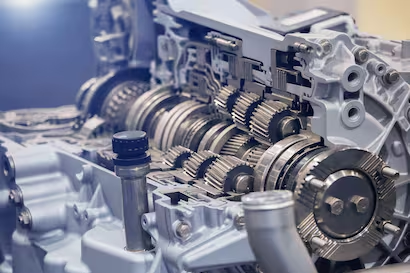
Driving in Phoenix presents unique challenges for vehicles. Extreme summer heat, long stretches of highway driving, and stop-and-go traffic all put intense stress on your car’s critical components. Among these, the transmission is one of the most vital—and expensive—systems to maintain. While proper care can extend the lifespan of your vehicle’s gearbox, intense desert weather often accelerates wear and tear, eventually making a complete replacement necessary.
Recognizing the early warning signs of mechanical trouble can help you make informed decisions, avoid catastrophic breakdowns on busy desert roadways, and prepare for a timely service. Here is a comprehensive guide to understanding when you might need a professional transmission replacement Phoenix drivers can rely on.
Understanding the Impact of Desert Heat on Transmissions
Phoenix is famous for its soaring summer temperatures, frequently exceeding 100°F for weeks on end. Heat is the ultimate enemy of automatic and manual transmissions alike. Transmission fluid operates best within a specific temperature range. When engine bays heat up during summer commutes, the fluid deteriorates rapidly, losing its ability to lubricate, cool, and provide hydraulic friction.
Without adequate fluid protection, internal components like gears, clutches, and bands experience excessive metal-on-metal friction. Over time, heat causes seals to harden and leak, leading to slippage and overheating. For motorists navigating Arizona highways, understanding how local conditions accelerate wear is the first step toward knowing when to seek a transmission replacement Phoenix mechanics recommend.
Critical Warning Signs Your Vehicle Needs Attention
Ignoring early indicators of transmission failure almost always leads to sudden breakdowns and severe safety hazards. Below are the most frequent red flags that suggest your vehicle requires immediate inspection or replacement.
1. Slipping Gears While Driving
One of the clearest indicators of deep internal failure is a transmission that slips out of gear while you are driving. You might press the gas pedal and hear the engine rev higher, but the vehicle fails to accelerate properly. Alternatively, the vehicle might unexpectedly drop into a lower or neutral gear without warning.
Gear slippage occurs when internal clutches fail to hold or hydraulic pressure drops due to fluid breakdown or component failure. When this happens on fast-moving highways like I-10 or the Loop 101, it creates a dangerous driving hazard.
2. Rough, Jerky, or Delayed Shifting
A healthy transmission shifts smoothly between gears without hesitation or harsh jolts. If your vehicle shifts with a noticeable clunk, shudder, or jerk, something is seriously wrong inside the unit.
Delayed engagement is another clear red flag. When you shift from “Park” to “Drive” or “Reverse” and experience a delay of several seconds before the transmission responds, internal seals may be damaged, or fluid pressure might be dangerously low.
3. Burning Smell from Under the Hood
Never ignore a burning smell coming from your vehicle. A sweet or acrid burning scent usually points to overheating transmission fluid. Fresh fluid is typically bright red or pink and smells mildly sweet, whereas degraded fluid turns dark brown or black and smells burnt.
When fluid burns, it can no longer cool or lubricate internal moving parts. Once a transmission reaches the point of burnt fluid and scorched internal clutches, replacing the unit is often the most practical and cost-effective long-term solution.
4. Strange Noises: Whining, Grinding, or Humming
Unusual sounds are often the first sign of mechanical trouble. Depending on whether your vehicle uses an automatic, manual, or continuously variable transmission (CVT), these noises can vary:
- Whining or Humming: Common in automatic systems experiencing fluid cavitation, pump issues, or torque converter failure.
- Grinding: Frequently heard in manual vehicles when gears fail to mesh correctly due to worn synchronizers or clutch plates.
- Clunking: Often signals loose internal mechanical components or damaged gear teeth.
If these noises persist or worsen during acceleration, you should schedule an inspection with a certified technician right away.
5. Visible Liquid Leaks on the Driveway
Unlike motor oil, which can slowly burn off without showing active drips, transmission fluid operates in a closed hydraulic system. Any visible fluid leak underneath your car demands immediate attention.
Look for spots on your driveway or garage floor that range in color from bright red to dark reddish-brown. Running a vehicle low on fluid quickly causes irreversible internal destruction, leading directly to the need for a full transmission replacement Phoenix auto repair specialists perform.
6. Illuminated Check Engine or Transmission Warning Light
Modern vehicles are equipped with complex onboard diagnostic sensors that monitor gear ratios, fluid pressure, and temperature. If your Check Engine Light or dedicated transmission warning light illuminates on the dashboard, the computer has detected a diagnostic trouble code (DTC). While a light can sometimes indicate a faulty sensor, persistent system codes paired with performance issues often point to major mechanical breakdown.
Repair vs. Rebuild vs. Full Replacement
When faced with significant transmission trouble, vehicle owners usually have three primary options:
- Minor Repairs: Suitable for small fluid leaks, faulty electronic solenoids, or minor sensor replacements when internal mechanical parts remain undamaged.
- Rebuilding: Involves removing the existing transmission, disassembling it entirely, replacing broken components, and reinstalling it. While effective, rebuilding can be labor-intensive and costly.
- Complete Replacement: Replacing the damaged assembly with a brand-new, remanufactured, or reconditioned unit. This is often the fastest and most reliable path to getting your vehicle back on the road safely, especially when damage is widespread.
Tips to Extend Transmission Life in Arizona
While mechanical wear is inevitable over time, proper preventive maintenance can help delay major repairs and keep your vehicle running smoothly:
- Monitor Fluid Levels and Quality: Routinely inspect your transmission fluid level and appearance, especially before long summer road trips.
- Flush and Replace Fluid Regularly: Follow your manufacturer’s recommended service interval, or shorten the interval if you frequently tow or drive in extreme heat.
- Install an Auxiliary Fluid Cooler: If you tow heavy trailers or drive regularly in steep terrain, an aftermarket fluid cooler can significantly drop fluid temperatures.
- Avoid Aggressive Driving Practices: Avoid shifting into “Drive” or “Reverse” while the car is still rolling, as this puts extreme torque stress on internal gears.
Conclusion
Your car’s transmission is essential for translating engine power into smooth, dependable movement. In the demanding climate of Arizona, staying vigilant about strange noises, delayed shifting, fluid leaks, and burning smells can save you from being stranded in extreme heat. If your vehicle exhibits severe signs of internal wear, addressing the problem promptly with a quality transmission replacement Phoenix drivers trust will ensure your car remains safe, reliable, and ready for the road ahead.