
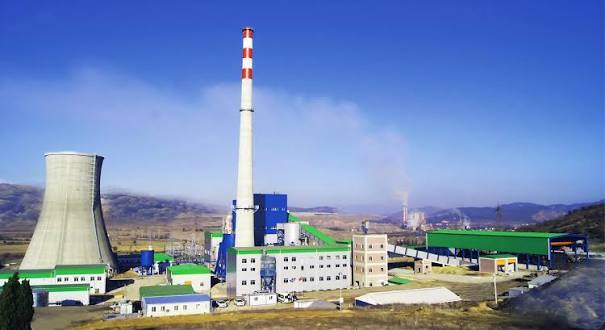
Modern power plants require efficient equipment, reliable operation, and flexible engineering solutions to achieve strong performance over the long term. One approach that is becoming increasingly valuable is steam turbine island modular design . By organizing major turbine-related equipment into coordinated modules, power plant developers can simplify engineering, installation, commissioning, and maintenance while improving overall system performance.
A steam turbine island generally includes the steam turbine and important supporting systems required for its operation. These may include generators, condensers, steam systems, lubrication systems, control equipment, piping, and auxiliary components. A modular approach organizes these systems into practical sections that can be engineered, manufactured, transported, and installed more efficiently.
Understanding Steam Turbine Island Modular Design
Traditional power plant construction can involve complex equipment arrangements and extensive on-site assembly. Each component must be integrated correctly, and delays in one area can affect the entire project. Modular design changes this approach by dividing the steam turbine island into carefully planned modules.
Each module can be designed around specific functions and interfaces. Equipment dimensions, piping connections, electrical systems, control industrial steam turbine island design for large power plants requirements, and maintenance access can be considered during the engineering stage. This makes it easier to coordinate different systems before they arrive at the construction site.
For companies such as RUNH POWER, modular engineering can support the development of practical steam turbine island solutions for different power generation requirements. Standardized design principles can also help reduce unnecessary engineering complexity while allowing configurations to be adapted to project-specific requirements.
Faster Installation and Project Completion
One of the main benefits of modular design is improved installation efficiency. A significant amount of preparation can be completed before equipment reaches the power plant site. Modules can be manufactured and assembled in controlled environments, where quality checks and dimensional inspections can be performed more systematically.
Once the modules reach the project site, installation can focus on positioning, connecting, testing, and integrating the prepared sections. This can reduce the amount of complicated fabrication work required during construction.
Shorter installation periods can be particularly important for projects where construction schedules directly affect commercial operation. Earlier commissioning allows the plant to begin generating electricity sooner, helping project owners manage schedules and operational costs more effectively.
Better Equipment Integration
A steam turbine island contains multiple interconnected systems. Poor coordination between these systems can lead to installation difficulties, inefficient operation, or maintenance challenges. Modular engineering places greater emphasis on the relationship between equipment before construction begins.
For example, turbine equipment, steam piping, condenser systems, electrical connections, and auxiliary systems can be designed with defined interfaces. This creates a more organized equipment arrangement and helps engineers identify potential conflicts during the design stage.
An effective industrial steam turbine island design for large power plants should consider not only turbine performance but also the interaction between the turbine and its supporting systems. Proper integration can help minimize energy losses and support stable operation across different operating conditions.
Improved Energy Efficiency
Power plant efficiency depends on how effectively steam energy is converted into useful electrical output. The turbine itself is important, but supporting systems also influence the total performance of the power generation process.
Modular design can contribute to efficiency by enabling engineers to optimize the arrangement of steam lines, valves, condensers, pumps, and auxiliary equipment. Shorter or better-organized piping routes can help reduce unnecessary pressure losses. Proper equipment positioning can also support efficient heat transfer, steam flow, and maintenance access.
RUNH POWER can apply integrated engineering principles to help create steam turbine island configurations that match the technical requirements of individual power generation projects. By considering the complete system instead of isolated components, plant operators can work toward more consistent and efficient performance.
Simplified Maintenance and Accessibility
Maintenance is an essential part of power plant efficiency. Equipment that is difficult to access can increase maintenance time and create unnecessary downtime. Modular design encourages engineers to consider access requirements from the beginning.
Important components can be positioned with appropriate working space around them. Inspection points, service areas, piping connections, and auxiliary equipment can be arranged to make routine maintenance more manageable.
A well-planned modular island can also make it easier to isolate individual systems when maintenance is required. This may help reduce disruption to other parts of the plant and support more organized maintenance schedules.
Greater Flexibility for Different Projects
Power plants have different capacities, fuel sources, steam conditions, operating requirements, and site limitations. A modular approach can provide flexibility because modules and system configurations can be adapted to specific project needs.
For smaller facilities, developers may require compact equipment arrangements that make effective use of limited space. Buyers searching for a small capacity steam turbine island for sale may benefit from solutions designed specifically around smaller power generation requirements rather than simply using an oversized configuration.
For larger plants, modular design can support more complex equipment arrangements while maintaining clear interfaces between major systems. This flexibility allows engineering teams to develop configurations that fit the project’s capacity and operating objectives.
Improved Quality Control
Manufacturing and assembling modules in controlled environments can provide additional opportunities for quality inspection. Components small capacity steam turbine island for sale can be checked before transportation to the project site, reducing the likelihood of discovering certain installation problems after equipment has already arrived.
Quality control can include dimensional verification, connection inspections, equipment alignment checks, and functional testing where applicable. Identifying issues earlier can reduce costly rework during construction.
Consistent manufacturing practices can also help improve repeatability. When similar modules are produced according to established engineering standards, lessons learned from previous projects can be incorporated into future designs.
Reduced Construction Complexity
Large power plant projects involve many contractors, engineers, suppliers, and construction teams. Coordinating these groups can become challenging when equipment installation is completely site-based.
Modular design can simplify this process by clearly defining equipment packages and connection points. Instead of treating every component as an independent installation task, project teams can work with organized modules.
This can improve communication between engineering, procurement, manufacturing, transportation, and construction teams. Clear modular boundaries can also make project planning easier because installation activities can be scheduled around specific equipment packages.
Supporting Long-Term Plant Reliability
Efficiency is not only about achieving high performance during initial operation. A power plant must continue operating reliably over many years. Modular design can contribute to long-term reliability by promoting organized equipment layouts and well-defined system interfaces.
When equipment is correctly integrated, operators can monitor individual systems more effectively and address potential issues before they develop into larger problems. Accessible equipment can also support preventive maintenance and timely inspections.
RUNH POWER’s experience in steam turbine solutions can be valuable when developing systems where reliability, efficiency, and practical operation need to work together. A properly engineered turbine island should support the plant throughout its operating life rather than focusing only on initial installation.
Lower Overall Project Costs
Although modular engineering requires careful planning during the design stage, it can provide opportunities to control costs throughout the project lifecycle. Faster installation, reduced site fabrication, better quality control, and simplified maintenance can all contribute to improved cost management.
Modularization can also help reduce construction uncertainty. When more work is completed under controlled manufacturing conditions, project teams may have better visibility into equipment readiness and installation requirements.
Over the long term, efficient operation and easier maintenance can further contribute to economic performance. For power plant owners, these advantages can make modular turbine island solutions an attractive option for both new projects and certain modernization requirements.
Conclusion
Steam turbine island modular design provides a practical approach to improving power plant efficiency, reliability, and construction management. By dividing complex turbine systems into coordinated modules, engineers can improve equipment integration, simplify installation, strengthen quality control, and create better maintenance access.
The approach can be applied to projects of different sizes, from compact power generation facilities to large industrial and utility plants. An effective industrial steam turbine island design for large power plants can optimize the relationship between the turbine and its supporting systems, while a small capacity steam turbine island for sale can provide a compact solution for facilities with more modest generation requirements.
As power plants continue to demand greater efficiency and operational flexibility, modular engineering can play an important role in developing practical and reliable turbine island solutions. With integrated engineering and project-specific planning, RUNH POWER can support power generation projects seeking efficient steam turbine island configurations designed around their technical and operational needs.